




Education is changing at a fast pace, and the traditional classrooms with just chalkboards and textbooks are becoming a thing of the past. Schools strive to equip students for a constantly changing and digital future. The introduction of smart classroom in schools is not just as a technological upgrade but as a necessary step.
A smart classroom is one that utilizes technology for education purposes, thus transforming learning into a more interactive, engaging, and effective process. Besides convenience, students and teachers stand to gain a lot. Let’s highlight five major benefits of digital classrooms which can convince any school in India to make this change.
1. Improved Student Engagement
One of the major difficulties of regular class settings is holding students’ concentration. Unengaged learning can easily cause students to lose attention and lose interest in the subject.
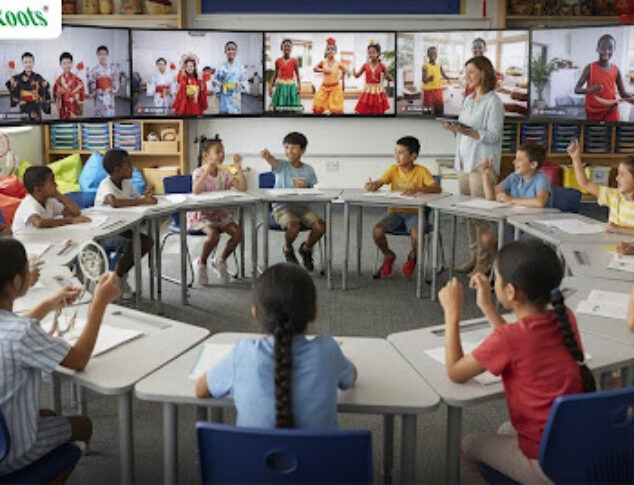
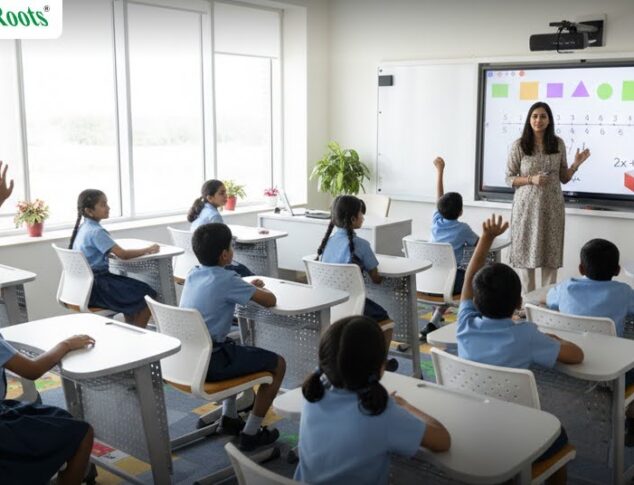
Through interactive learning in schools programs, smart panels videos animated characters, and concrete representations are the tools to make students actively involved in lessons. So, not only do the students learn by listening, but they get involved in the lesson.
This higher level of engagement results in enhanced concentration, excitement, and a more lasting bond with the topic.
2. Better Understanding Through Visual Learning
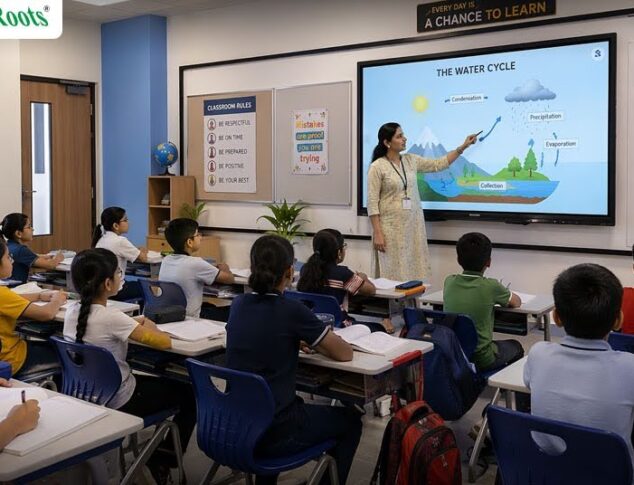
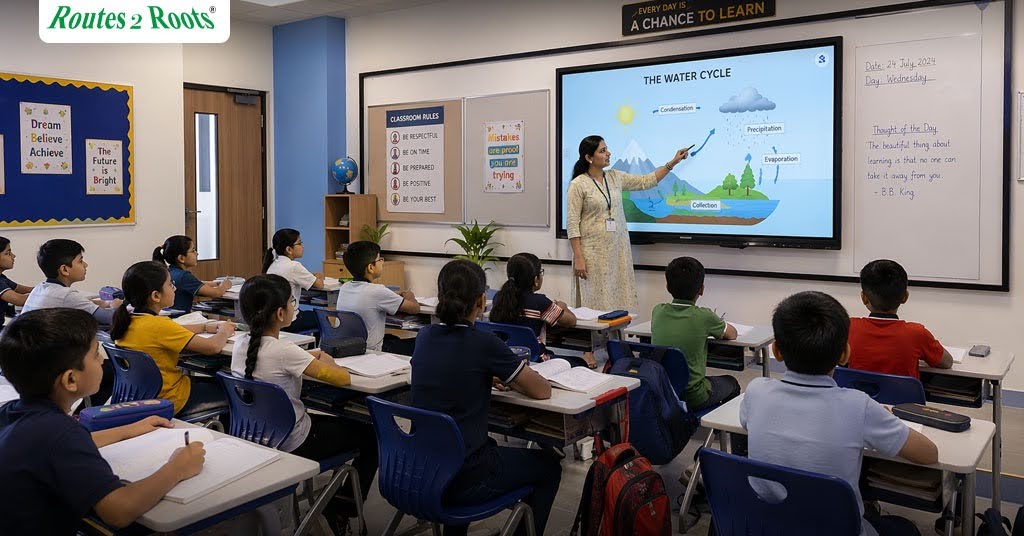
Different students have different learning styles. Some understand information better if they read it. While some become more clear and remember better when they see visual materials. Smart classrooms can support the visual learning advantages where they make use of diagrams, videos, and live demonstrations. If students have the chance to see how a concept works, the topic may become less complicated and more understandable.
Using this way of teaching can really make it easier for students to get the message and remember it, as it caters to learners with different needs and preferences.
3. Enhanced Learning Outcomes
Education aims at more than just finishing the syllabus; it aims at making sure students really understand and are able to use their knowledge.
Using technology in education, smart classrooms are capable of not only raising the quality of education but also developing students’ capacity to understand and use their knowledge.
Students retain knowledge more effectively, take part in learning activities more energetically, and conduct their work better and with more confidence. Merging visual aids and interactive teaching can be a powerful way to ensure students learn in a way that lasts.
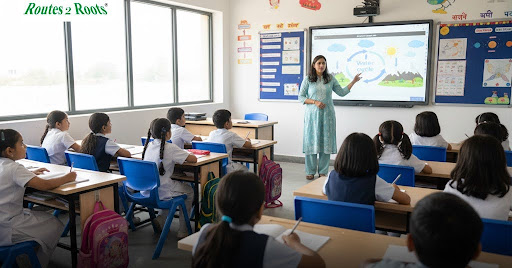
4. Empowered and Efficient Teachers
Smart classrooms do not only help students – they also change the direction of teaching.
These days, teachers have a variety of teaching methods at their disposal. They can use them to give effective presentations, better organize their time, and change their teaching methods according to the students they have. Besides, teachers with access to digital materials prepare less and can devote more time and energy to interaction rather than mere repetition.
Nevertheless, technology on its own cannot guarantee results. Only well-trained and digitally confident teachers will be able to effectively use these tools and have the greatest positive impact.
5. Access to Quality Learning Resources
Resources may be quite constrained and some educational materials quite old in lots of schools so these schools are under quite a lot of stress. With smart classroom the problem of resource gap can be solved to some extent by supplying a varied range of educative content through a single platform.
By delivering classroom innovation, students will be exposed to the new, first-class educational materials that most effectively improve their capability of learning.
This is very thoughtful and productive. It benefits children and students in these schools. Many of these schools lack funding and facilities. They struggle to provide basic amenities and education. Their resources are very limited.
A more inclusive and equal sphere of learning is created as a result, where every single student can avail of better opportunities.
The Role of Routes 2 Roots
Organizations like Routes 2 Roots are playing a key role in bringing smart classrooms in schools to life. By installing Smart Interactive Flat Panels and providing structured teacher training, they ensure that technology is not just introduced, but effectively used.
Their approach focuses on combining digital learning with creative education, making classrooms more engaging, expressive, and impactful for students across regions.
Looking Ahead
The future of education lies in adaptability, creativity, and innovation. Schools that embrace smart class benefits for students today are preparing their learners for tomorrow’s challenges.
Investing in digital classrooms in India is not just about technology, it is about creating an environment where students can explore, understand, and grow with confidence.
Because the best classrooms are not just places where lessons are taught, they are spaces where learning comes alive.
1. What is a smart classroom and how does it work?
Smart classrooms utilise digital tools such as interactive panels, videos, and multimedia content to engage and satisfy students through lessons.
2. How do smart classrooms benefit students?
Smart classrooms are a great way to improve understanding via visual learning, gain more student engagement, and help students retain information better than through traditional methods.
3. Do teachers need special training to use smart classrooms?
It is a fact that a basic training program allows educators to master the use of digital tools and make sure that, through these tools, teaching is facilitated and not made more complicated. Therefore, such a program for teachers is essential for their professional development, as it contributes to equipping the teachers with the skills to integrate technology effectively into their teaching.