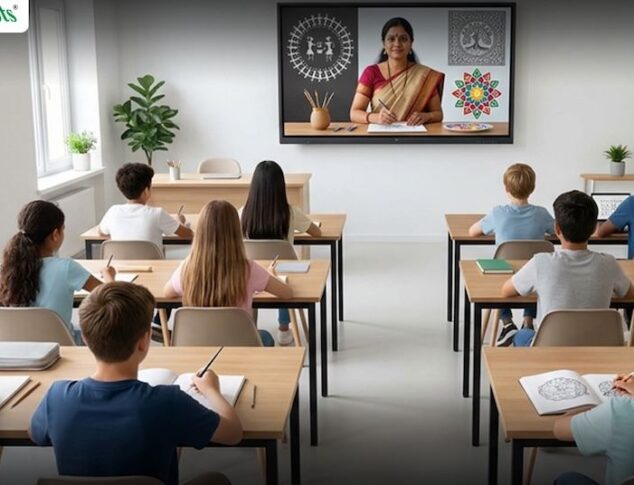





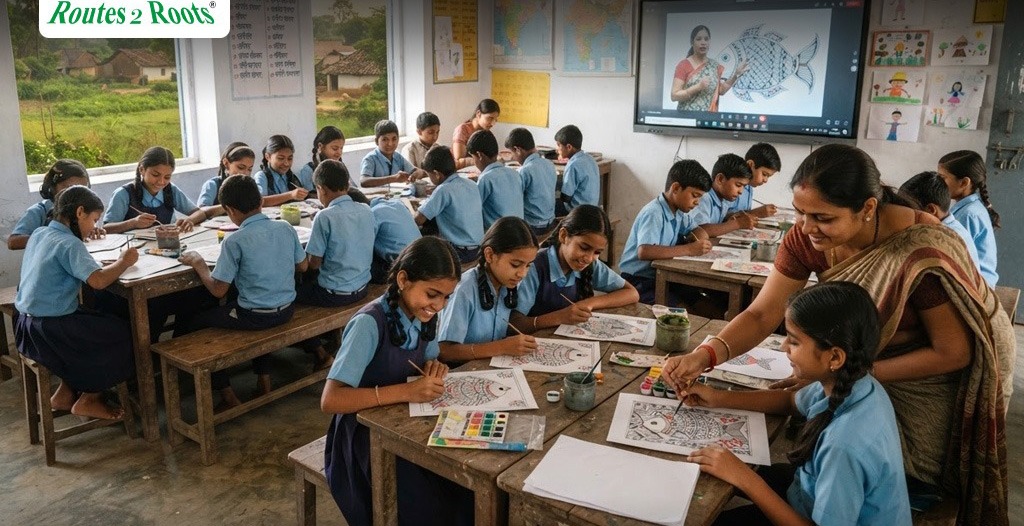
India’s cultural heritage is a world treasure that has been greatly influenced from a long line of traditions languages visual and performing arts music dance, and storytelling. Yet, many children who are living in remote and poorly served areas have little or no contact with these cultural activities. There is no doubt that school education is a fundamental pillar of learning. But cultural education is also very important in the growth of young people’s imagination, self-confidence, personal identity, and a sense of being together.
Via thoughtful “cultural education programs” students apart from learning their traditions, also develop skills of their future through various life lessons that are imparted. To bridge the divide, there are many groups like “Routes 2 Roots” taking cultural and creative learning to the most disadvantaged neighborhoods and schools.
 The Challenges of Cultural Education in Remote Areas
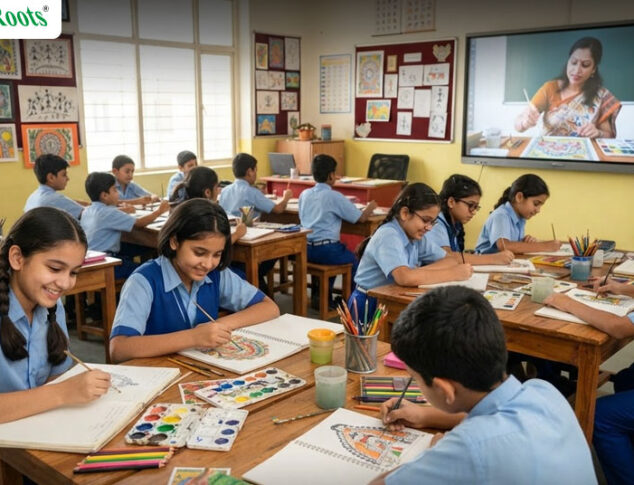
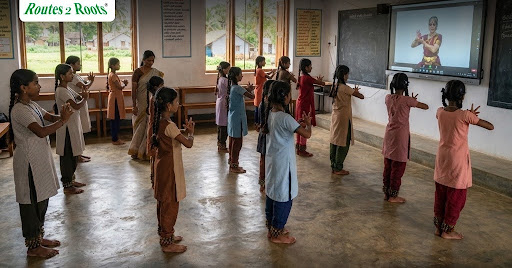
Many rural and remote Indian schools have limited resources, lack of trained instructors, and few chances for students to engage in.
Due to these reasons, students might hardly get exposure to India’s wide variety of artistic traditionsalthough they get the opportunity to live in such a culturally rich environment.
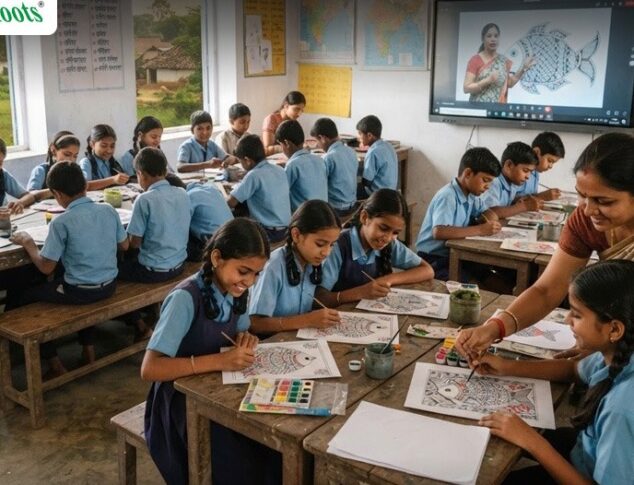
Enlarging “cultural education in remote areas” is a means of balancing the situation as it will not only provide opportunities for the rural children but also be an alternative to conventional classroom learning.
If they get adequate support, schools in the remote regions can be transformed into centres where creativity and local culture meet.
The Challenges of Cultural Education in Remote Areas
Many rural and remote Indian schools have limited resources, lack of trained instructors, and few chances for students to engage in.
Due to these reasons, students might hardly get exposure to India’s wide variety of artistic traditionsalthough they get the opportunity to live in such a culturally rich environment.
Enlarging “cultural education in remote areas” is a means of balancing the situation as it will not only provide opportunities for the rural children but also be an alternative to conventional classroom learning.
If they get adequate support, schools in the remote regions can be transformed into centres where creativity and local culture meet.
Why Cultural Education Is More Than Learning the Arts
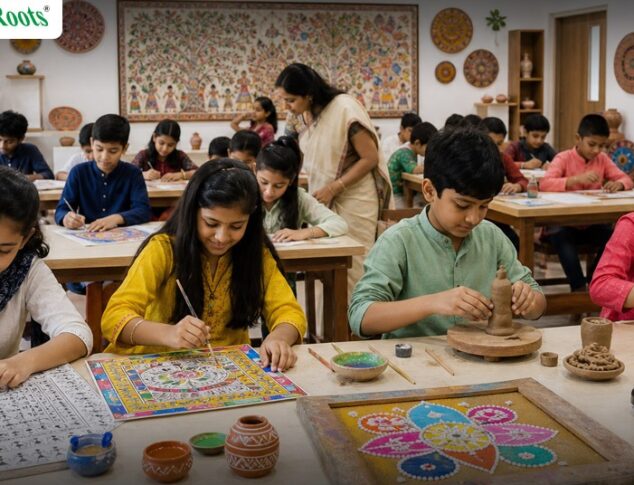
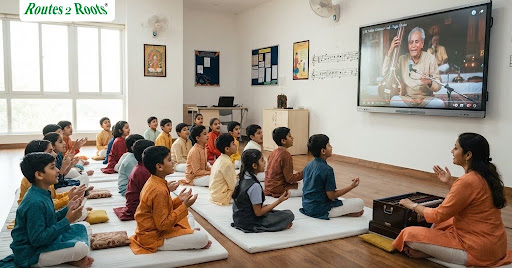
Cultural education is often misunderstood as simply teaching dance, music, or painting. In reality, it is about helping students connect with their roots while developing skills that contribute to their overall growth. When students participate in cultural activities, they learn to:- Express themselves confidently.
- Appreciate diversity and different traditions.
- Build creativity and critical thinking.
- Strengthen communication and teamwork.
- Develop empathy and respect for others.
The Challenges of Cultural Education in Remote Areas
Many rural and remote Indian schools have limited resources, lack of trained instructors, and few chances for students to engage in.
Due to these reasons, students might hardly get exposure to India’s wide variety of artistic traditionsalthough they get the opportunity to live in such a culturally rich environment.
Enlarging “cultural education in remote areas” is a means of balancing the situation as it will not only provide opportunities for the rural children but also be an alternative to conventional classroom learning.
If they get adequate support, schools in the remote regions can be transformed into centres where creativity and local culture meet.
Preserving India’s Heritage Through Education
The classical and folk traditions of India have been kept alive from generation to generation only because of the transferring of knowledge through different methods. It is education that helps this inheritance continue. By exposing students to classical dance, classical music theatre storytelling, folk arts, and regional traditions, schools inspire younger students to have understanding and reverence for the heritage that is so dear to them at the same time. Preservation of these forms is a way to secure the identity of the community besides being a means to instill cultural self-worth among the youth of our country.Cultural Education Builds Future-Ready Skills
The future takes more than just academic achievement. Employers place high regard on the skills that students can develop naturally through participation in arts and culture such as creativity communication collaboration, and problem-solving. Students who engage in theatre music dance, or visual arts gain the ability to work independently, collaborate with others, and communicate their ideas effectively. These are exactly the qualities that make classroom learning more interesting and allow the students to develop as confident and lifelong learners.Creating Equal Opportunities for Every Child
Every child is entitled to the best education possible, no matter where they come from. Still, it is unfortunate that sometimes the educational opportunities are given without being equally shared with every person. Children living in distant areas may rarely get a chance to engage themselves in cultural activities arranged by people from the locality or get acquainted with experts artists and teachers. That’s why “educational cultural programs” are very effective. Through taking music and art educational activities out of big cities, such kinds of activities help in raising awareness and skills of children in very many ways that their potentialities could be known before they can be realized, thereby making the geography less of a barrier to their achievements.The Role of NGOs in Cultural Education
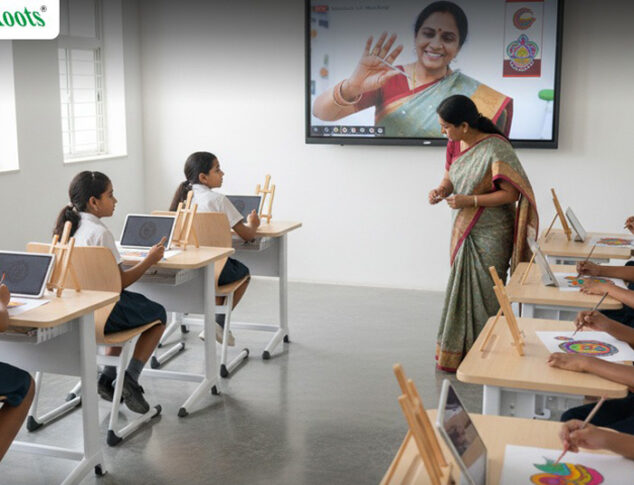
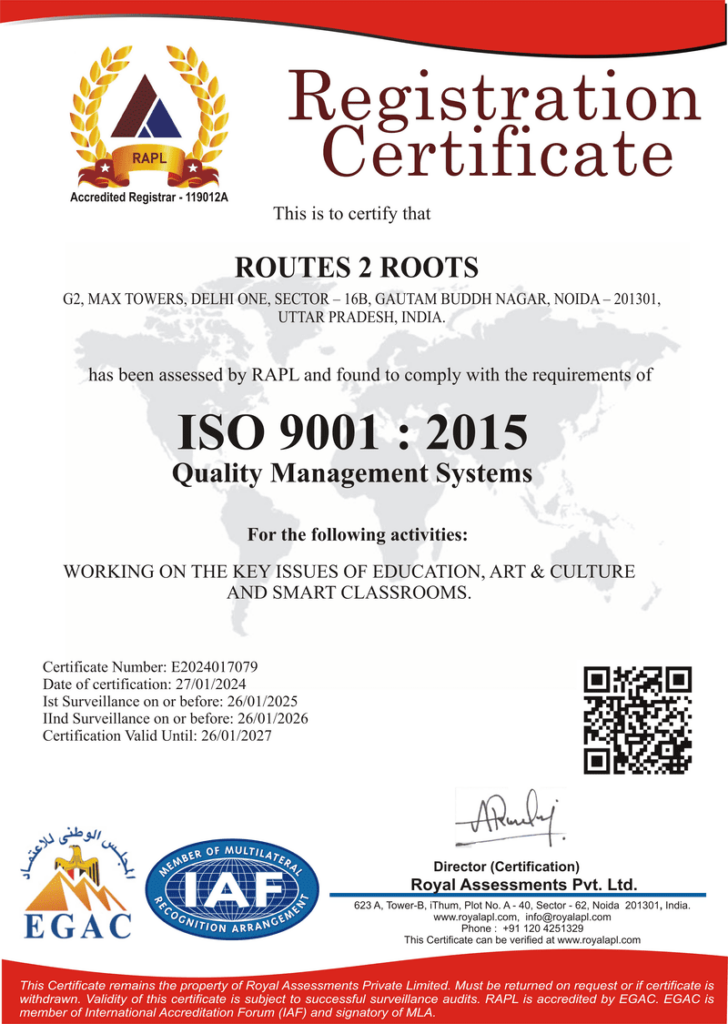
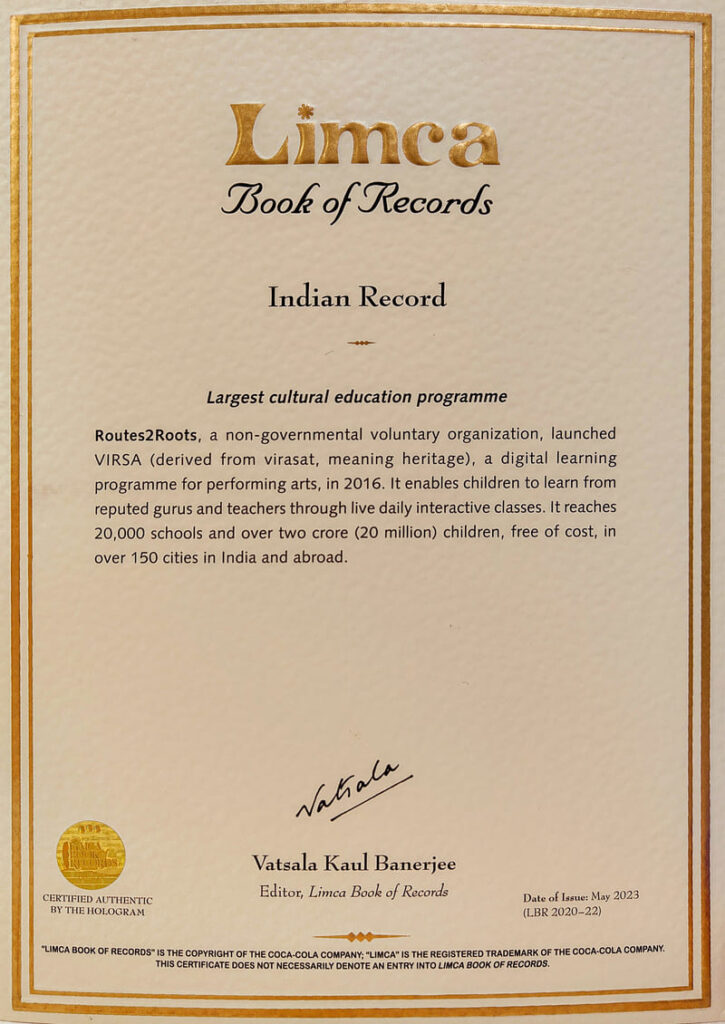
Non-profit organizations have a big part to play in making cultural education accessible throughout India. Founded as India’s “cultural education NGO”, the company, Routes 2 Roots, aims to increase the reach of art, culture, and their education through different methods – from partnering with schools, offering online classes, organizing cultural workshops to participating in international projects. By working hand in hand with institutions schools government bodies, and local communities, the group is able to develop programs that offer both exciting and inspiring learning moments while at the same time contributing to the preservation of the country’s culture. Their accomplishments show quite clearly that a cultural education NGO that truly excels in its work can do a great deal Finally the educational divide and at the same time producing a significant difference via creative activities and cultural sensitivity.