




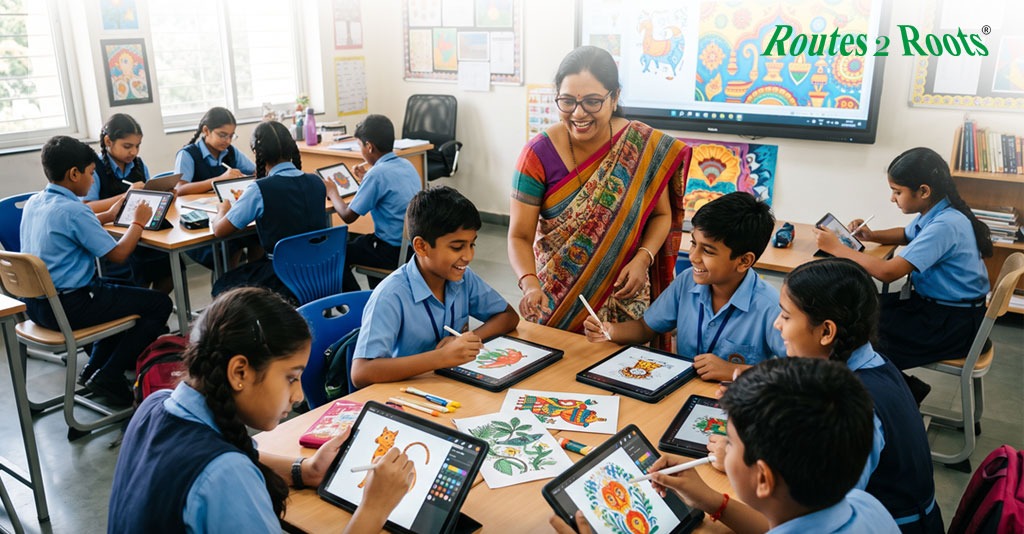
With rapid changes in the education scene, technology is a new kind of teacher, a medium, or maybe even a friend who changes how students study and learn about things. While e-courses are a norm for subjects like history or mathematics, arts and crafts are using these to provide their students a new level of creativity through “digital learning platforms”.
A “digital learning art program” is an artistic project that blends a tech platform with an offline mentorship model or an e-learning mode. This way, the students can get a taste of different arts: performing arts like music and dancing, or even acting in a play, or painting, sketching or even appreciating culture from their homes.
Such programs do not restrict themselves to mere online content delivery; they provide students with the opportunity to engage and learn creatively through interactive activities which also promote cooperation and appreciation for cultural diversity. We’ll find out how digital art-learning programs are designed and also uncover the reasons why these educational tools for creativity and cultural learning (through music dance etc.) have started gaining popularity and becoming necessary in the Indian education system.
What Is a Digital Learning Art Program?
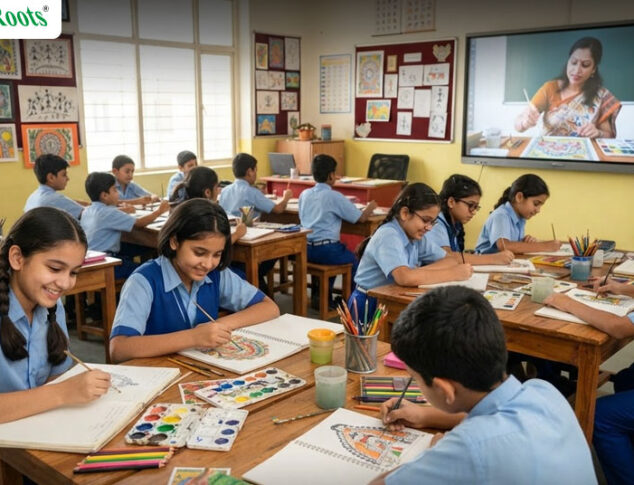
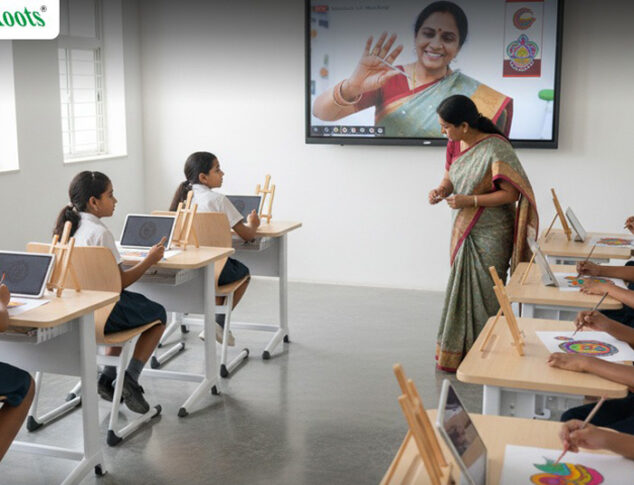
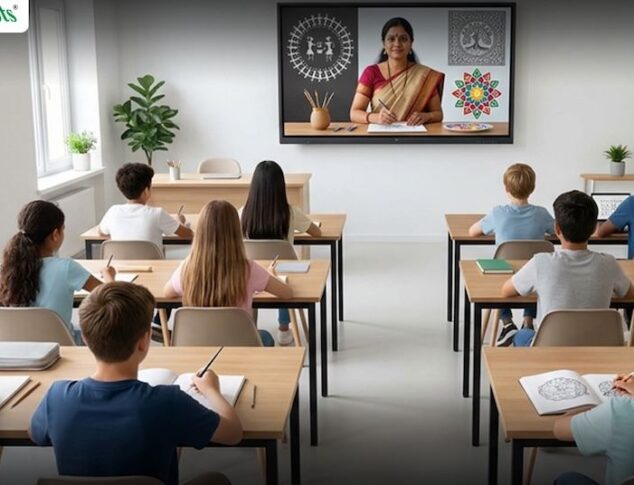
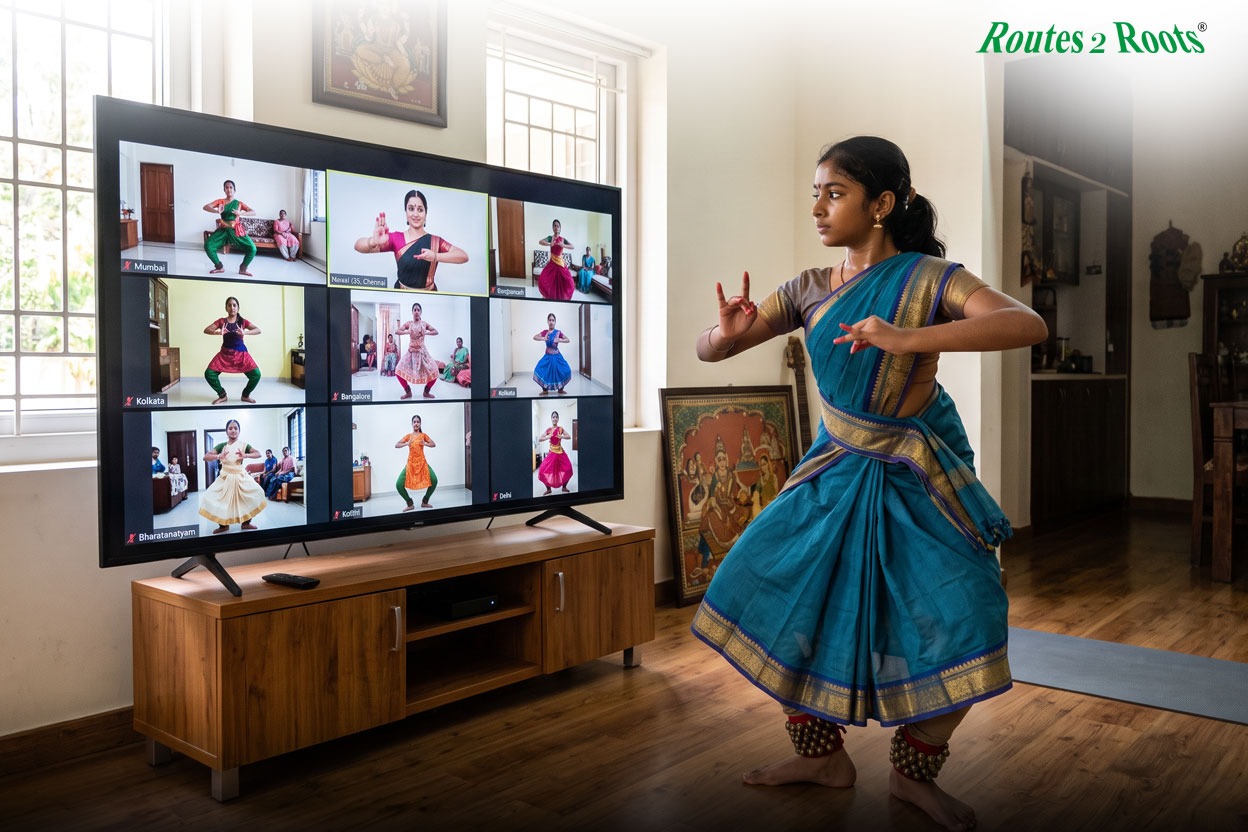
A “digital learning art program” is a kind of an artistic educational initiative which is carried out with the help of digital platforms and includes live or interactive sessions for different art forms. Students are able to enroll in a class being conducted by an expert artist/educator while staying at home without being restricted by the location of the class.
What distinguishes a prerecorded tutorial is that such a “digital learning program” is mostly offered in a synchronous setting. That is, the program enables participation by offering demonstrations and receiving feedback as well as by getting in the collaborative activities which give very close to the feeling one has in the classroom.
There are many activities which these art programs could offer like:
- Indian classical dance lessons
- Music theory and vocal coach classes
- Stage performances and storytelling
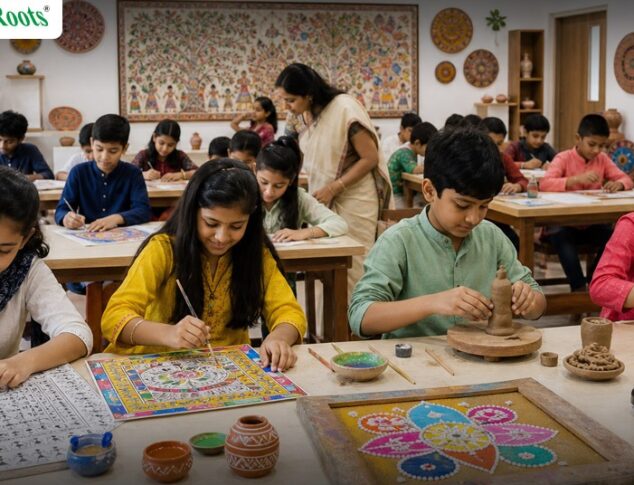
- Folk and traditional arts
- Drawing and painting (visual arts), etc.
- Cultural appreciation programs
These digital learning technologies are changing the way in which arts are delivered in the classroom or home. Students can now access the services of highly qualified artists from anywhere in the world and the result is that the arts are becoming more inclusive and fun.
Making Quality Arts Education Accessible
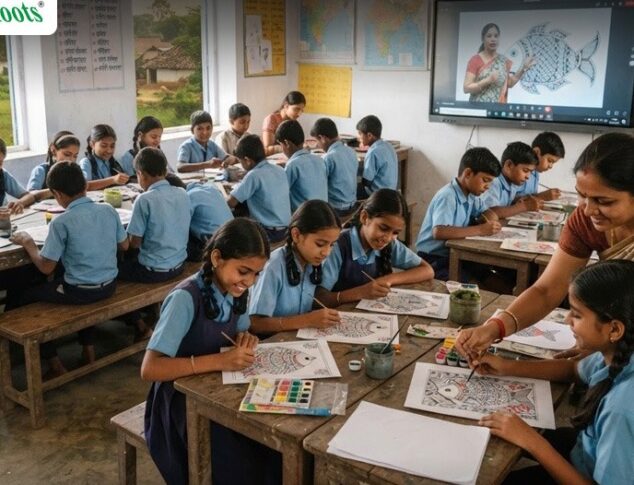
One of the key points that makes “online art education India” unique is reaching out to the learners all over the country. Besides many institutions Mainly those located in rural or poor areas, do not have a proper infrastructure or facilities to get skilled arts educators, they can easily access quality educational materials and get help from the experts.
Digital platform is helping to connect the students with some of the best and recognized mentors and artists of the country. A schoolkid in villages can as well take the same standard of instruction from a master as he/she will do while attending a metropolitan city school.
The same opportunity is provided to the students to learn and develop together regardless of their physical location as they share the same classroom virtually. Today’s availability of educational services is not measured only by the length from which you get it. It Mostly is about how well the technology you have is allowing it to come in for you.
Building Creativity Through Digital Arts Education
Arts education goes far beyond learning techniques or performances. It nurtures creativity, confidence, and independent thinking.
Through “digital arts education”, students are encouraged to:
- Explore new ideas creatively
- Express themselves with confidence
- Improve observation and listening skills
- Develop discipline through regular practice
- Build resilience by learning from feedback
Creative thinking developed through arts education also supports academic success by helping students approach challenges with innovation and flexibility.
Interactive Learning That Keeps Students Engaged
Modern learners tend to be at home, and they are very much in touch with the online world, so “virtual art learning” becomes a perfect platform to teach artistic courses.
By showcasing a live performance, organizing Q&A sessions, doing group activities, as well as assigning interactive exercises, teachers convert their students from silent observers into involved participants.
Rather than just sitting on the screen and observing a tutor, learners get physical, sing songs, discuss the topics with each other, receive individualized feedback, and remain engaged during the whole course of learning.
Through such a high degree of participation, students remember the materials better at the same time the process of learning makes fun of them.
Preserving Culture Through Online Learning
India’s artistic heritage is one of its greatest strengths, but not every student has access to structured cultural education.
An “art education program” delivered digitally helps preserve these traditions by introducing young learners to Indian classical music, dance, theatre, folk arts, and storytelling.
Through “online cultural education”, students gain a deeper understanding of India’s diverse artistic traditions while developing respect for cultural heritage and identity.
Learning directly from experienced practitioners also ensures that these traditions are passed on authentically to future generations.
Flexible Learning for Modern Students
Education today calls for adaptability, which is precisely what “digital art classes for students” deliver.
Arts education can be easily infused into schools’ academic programs without the need for schools to have a permanent artist on staff covering every discipline. Students receive clear, easy-to-follow lessons that do not conflict with class timetables; while they are engaged in different types of art, they are constantly developing.
This kind of flexibility permits schools to give more diverse educational contexts and to the same time remain aligned with core teaching requirements.
Supporting Holistic Development
Education is not only about academic success but also about developing other essential traits. Kids need chances to build their communication skills empathy working together skills, and emotional intelligence.
Highly effective “creative learning programs” give students a chance to cooperate, create solutions creatively, perform with self-esteem, and embrace different points of view.
Through such kinds of activities, students gain life skills that they can utilize outside of the classroom and can be the reason for their further accomplishments at academics, workplace, or in personal life.
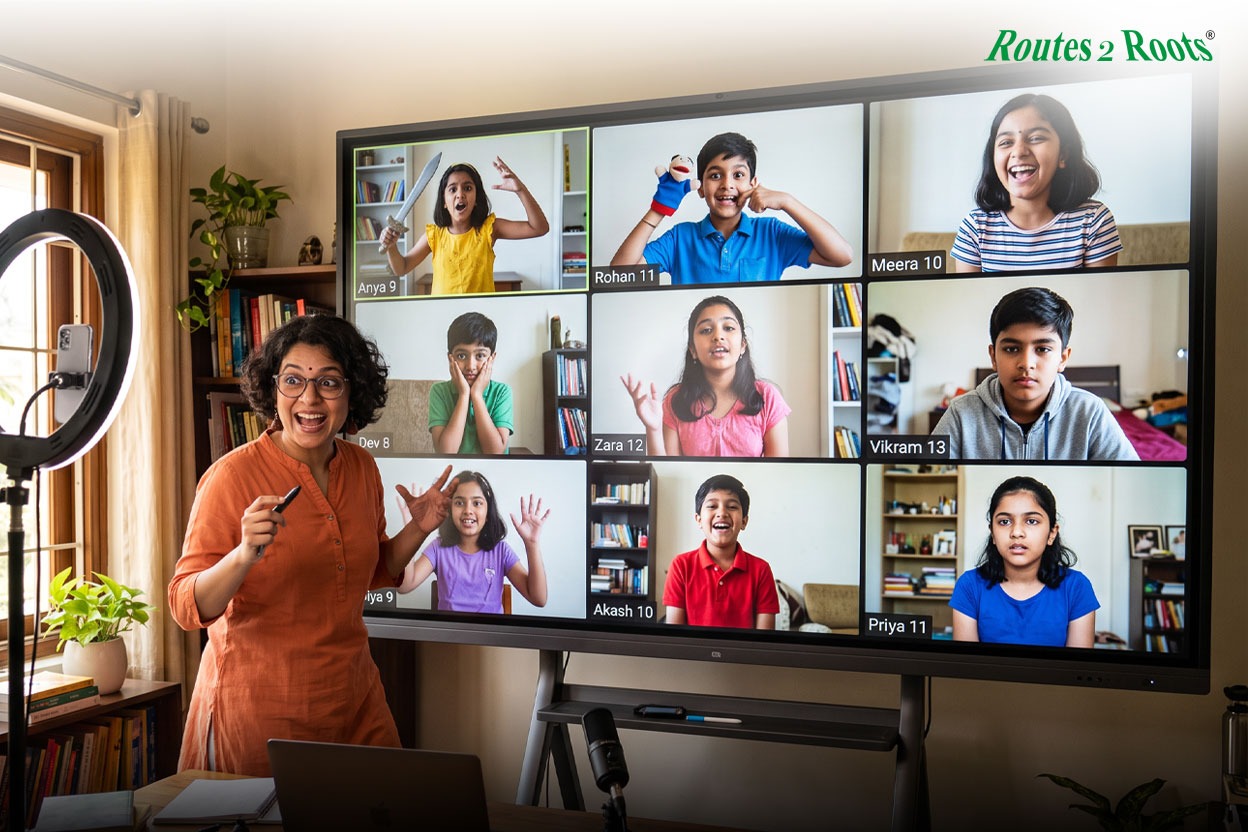
How Routes 2 Roots Is Transforming Arts Education
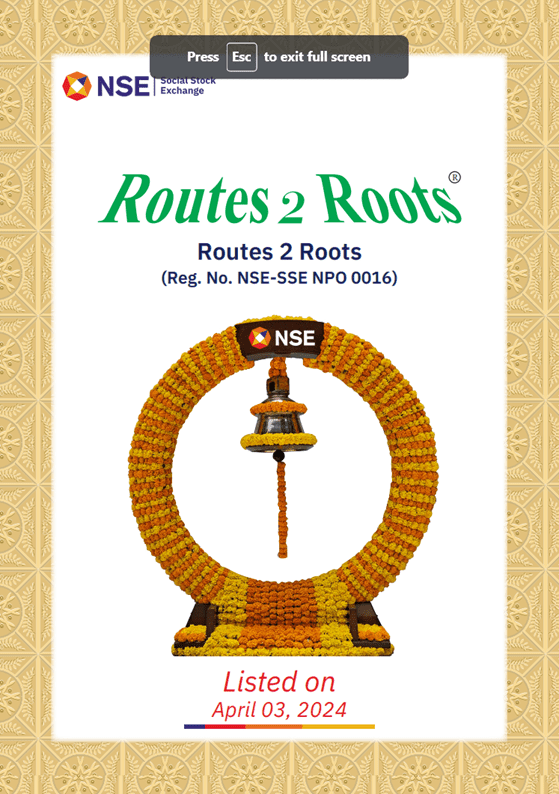
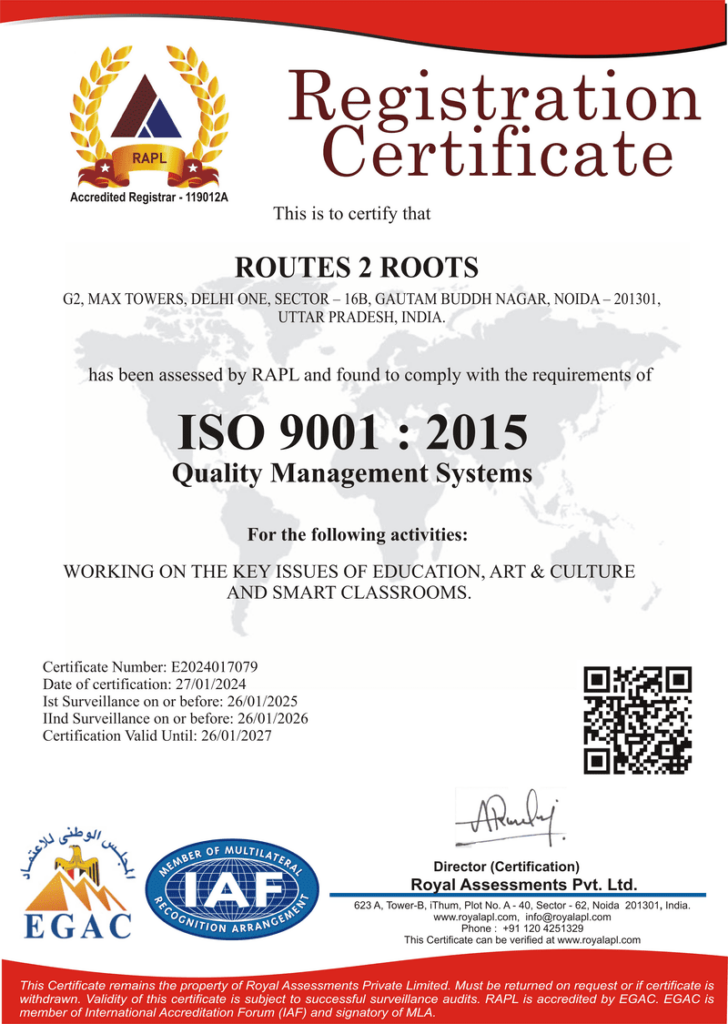
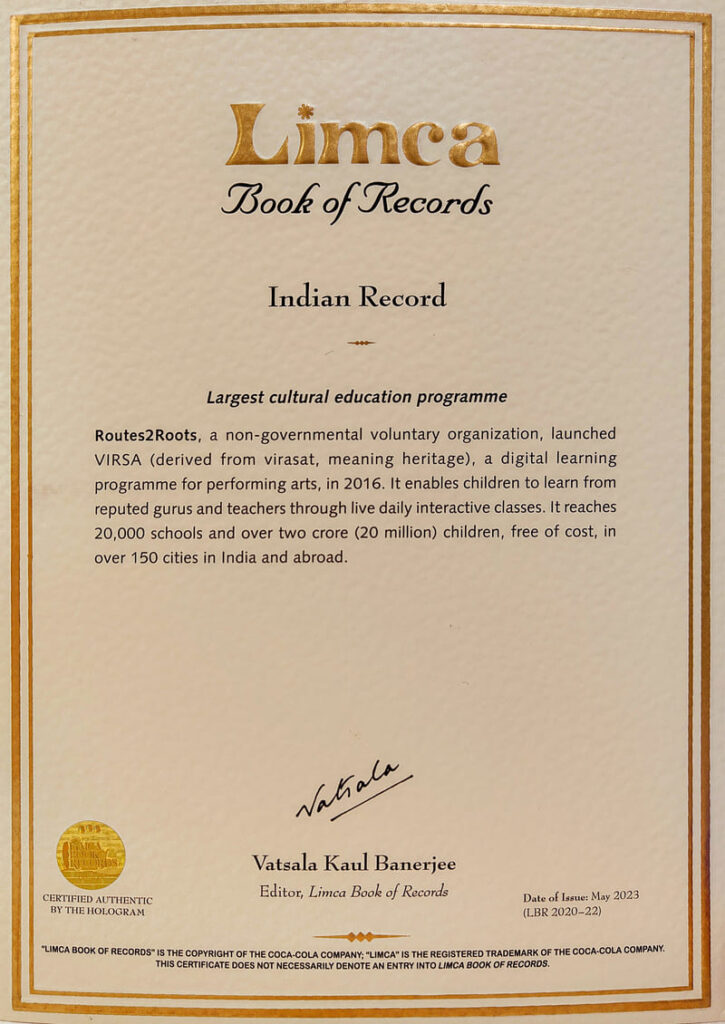
At “Routes 2 Roots”, it’s technology and culture that have merged to bring arts education within reach of students pan India.
Thanks to innovative digital classrooms, students get to learn directly from eminent artists and gurus across different disciplines like Indian classical dance music theatre, painting and various traditional art forms.
Routes 2 Roots is not just delivering lessons online, they have designed the learning experience to be quite immersive and stimulating, promoting participation curiosity creativity and a great understanding of the culture.
By providing excellent arts education to schools regardless of their location, the organisation makes students discover their talents while also safeguarding India’s artistic treasures for future generations.
Conclusion
A “digital learning art program” is more than an online class, it is a gateway to creativity, confidence, and cultural discovery.
As education continues to evolve, “digital learning programs” are ensuring that every student, regardless of where they live, has access to meaningful arts education. By combining technology with expert mentorship, these programs inspire creativity, preserve cultural traditions, and prepare young learners with skills that last a lifetime.
Organizations like Routes 2 Roots are demonstrating how digital innovation can make arts education more inclusive, engaging, and impactful for students across India.