




Routes2roots

Digital Learning Programs That Bring Indian Arts to Every Classroom

Digital Learning Programs
India has a tradition of art and creative expression that spans generations through music dance theatre, storytelling and the visual arts. Such heritage resources have helped preserve the country’s identity and at the same time inspire its people. Unfortunately, not all students are able to learn these art forms through equal opportunity In particular in schools in rural or underserved areas. With the help of technology these days, this situation is changing. Students all over the country can discover India’s art and culture through digital programs. Interactive classrooms, virtual art workshops and live classes with expert artisans are ways to enhance the learning of quality cultural education and make it more accessible.  Routes 2 Roots and many more like them have been at the forefront of this change by combining technology with art education. That means, their effort will enable every classroom to access the cultural heritage of India for all times.
Why Arts Education Matters in Every Classroom

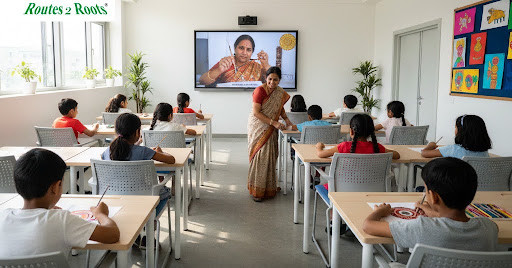
Education extends far beyond textbooks and examinations. Arts education helps students develop imagination, communication, emotional intelligence, and confidence. It encourages children to think creatively, collaborate with others, and appreciate diverse cultures and traditions. Whether learning classical dance, music, theatre, or visual arts, students gain skills that support both their academic and personal development. When arts become part of everyday learning, classrooms become more engaging, inclusive, and inspiring. Digital Learning Programs

Breaking Geographical Barriers Through Technology

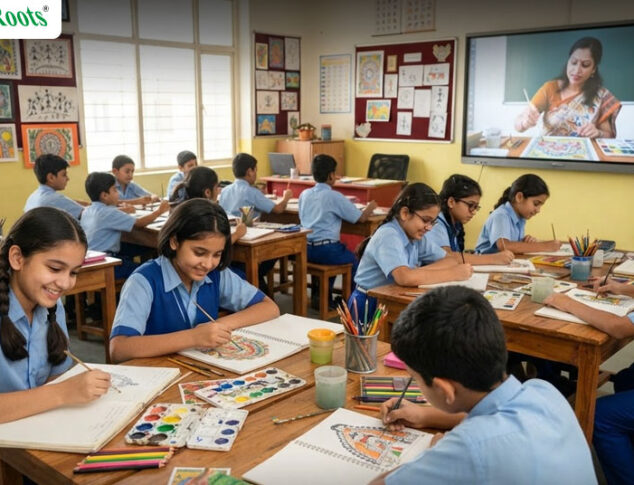
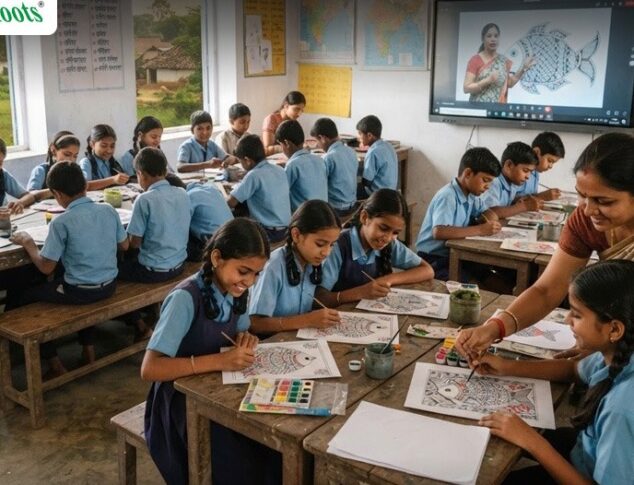
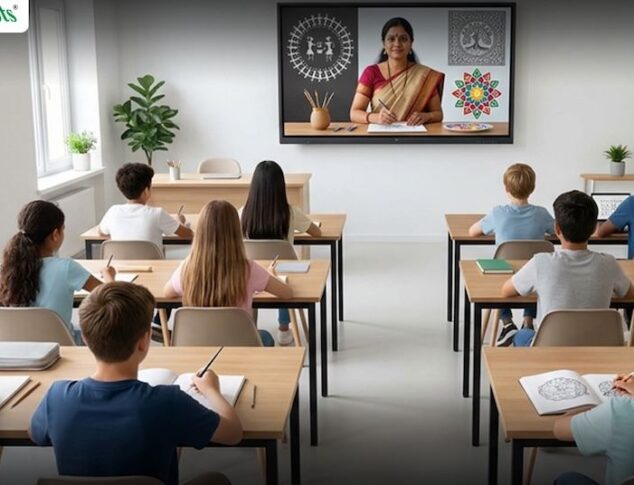
Digital education presents one of the major positive aspects by opening doors for students to opportunities that they used to dream about. Metro cities are still the focus of education while towns are deprived of skilled teachers, cultural enrichment, and various educational opportunities. Through well-designed “digital learning programs”, the students can be exposed to the real experiences of the field without stepping out of their classrooms by taking part in a live session with topnotch artists and educators. With technology, we have the power to take our rich heritage right into the hands of the learners across the vast distances.  

What Makes a Digital Learning Art Program Effective?

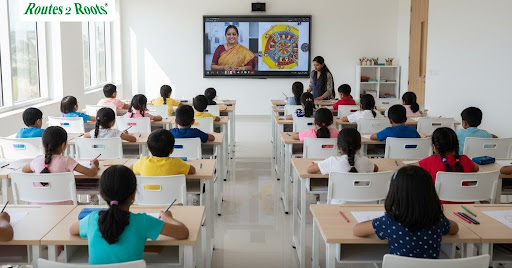
A really good ‘digital learning art program’ is not just about having lessons on the web. It is an environment where kids can learn actively – questioning, working together, practicing under the instructor’s supervision and getting help all through their academic years. Generally, a good programme has these components:
  1. Real-time interaction with a teacher.
  2. Hands-on experiments and activities.
  3. Spaces for students to get in touch with.
  4. An introduction to various Indian art styles.
  5. Content suitable to the age of the students and interesting.
Putting all these together, children will be not only learning, but also being entertained while staying highly engaged during the process. Digital Learning Art Program

Bringing India’s Diverse Arts into Schools

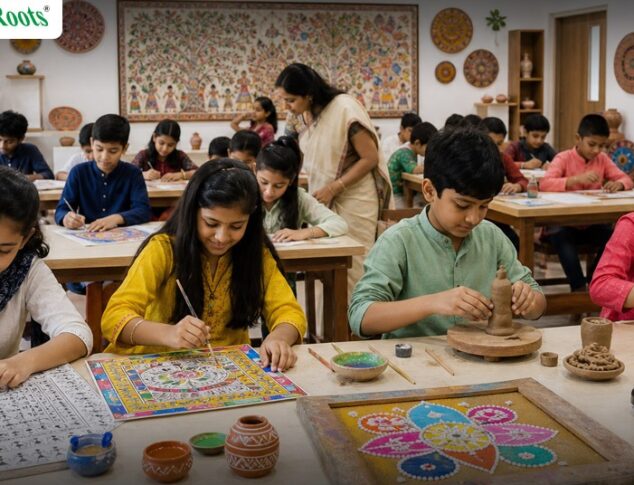
India is the melting-pot country of numerous different art traditions each one narrates its own stories, philosophies, and ways of working. With digital tools now readily available and easier than ever, learning institutions have no problem presenting the young generation to the wonders of art:
  • Classical dance forms such as Bharatanatyam, Kathak, and Odissi.
  • Indian classical and folk music.
  • Theatre and storytelling traditions.
  • Folk and tribal art forms.
  • Traditional painting styles like Madhubani and Warli.
  • Cultural history and heritage.
By engaging students in multiple art fields, the schools not only spark students’ curiosity but also make a difference in maintaining and passing down Indian cultural heritage, the richness of which consists in its diversity.  

Learning Directly from Experienced Artists

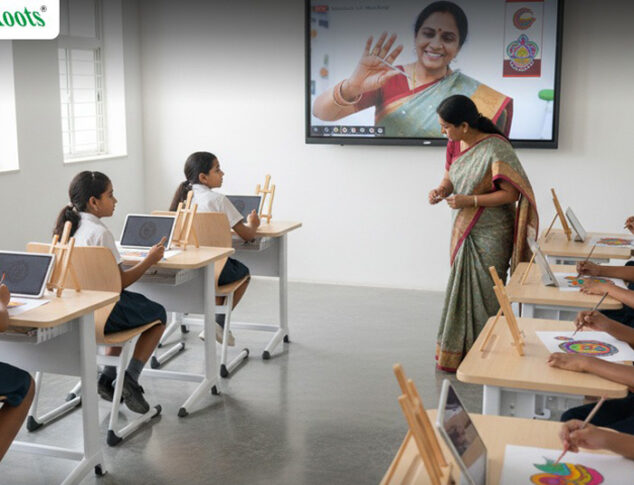
One of the most valuable aspects of technology-enabled arts education is direct interaction with experienced practitioners. Students no longer have to rely solely on textbooks to understand Indian culture. Instead, they can observe live demonstrations, ask questions, and learn directly from accomplished artists who have dedicated years to mastering their craft. These experiences make cultural education more authentic, engaging, and memorable. They also help students appreciate the discipline, dedication, and stories behind every art form.  

Digital Learning Encourages Active Participation

Traditional lectures mostly result in passive absorption of information. But, in art classes, students become active learners through many activities. Throughout artistic expression they are not only making but also showing off their talents like singing dancing painting and other forms – they are also engaged in lively discussions and co-create with others. If a “digital learning art program” is good enough, learning through screen becomes not just a way to pass some knowledge on but a platform for interactive activities.
  • Confidence
  • Communication
  • Creative thinking
  • Teamwork
  • Presentation skills
  • Problem-solving abilities
These are lifelong skills that benefit students in every stage of education and beyond.

Supporting Teachers Through Technology

Digital cultural education benefits teachers as much as students. When schools integrate arts into digital classrooms, educators gain access to expert-led content, structured learning modules, and innovative teaching methods that complement the existing curriculum. Rather than replacing teachers, technology empowers them with additional resources that enrich classroom experiences. This collaborative approach creates a more dynamic and engaging learning environment for everyone involved.  

Preserving Culture for Future Generations

Through the sharing of artistic traditions between generations, they have kept their lives alive. Technology is one of the ways to preserve such heritage through digital means as it has been the trend of the present world. Different artistic styles like music dance theatre, and visual arts are the ones students engage with to get closer to the essence of their culture, beyond being able to honor traditions from all over India. When schools embrace “digital learning programs”, they ensure that India’s cultural legacy remains relevant and accessible for future generations.

The Role of Routes 2 Roots

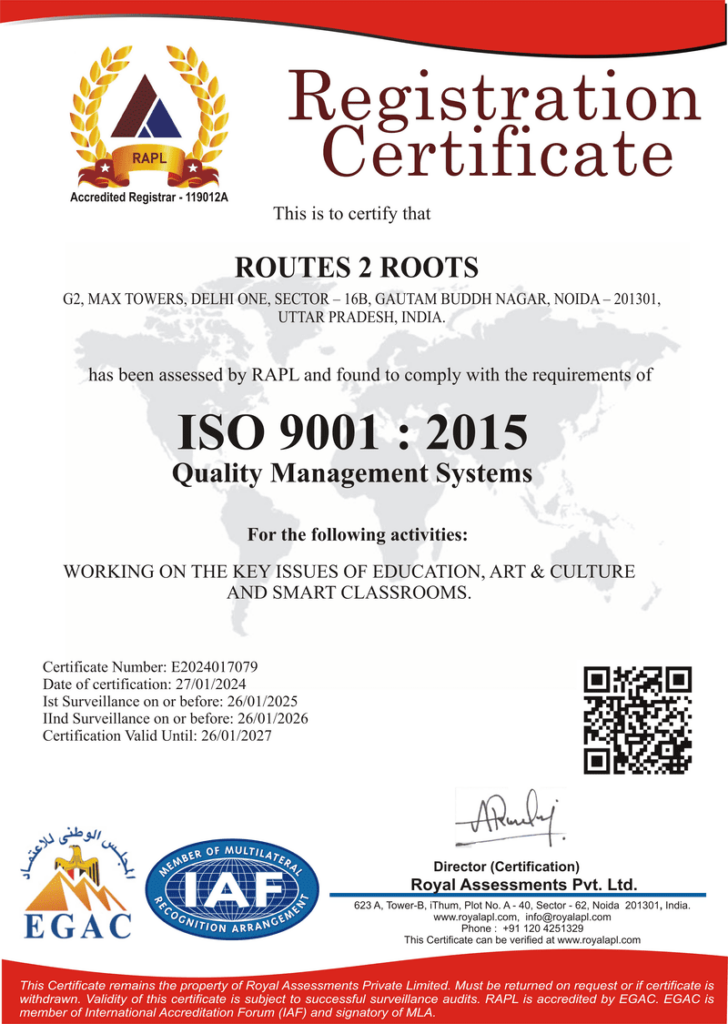
Routes 2 Roots has continually advocated arts and cultural education that is open to students from all corners of India. The company reaches out to artists and cultural authorities and makes learning for students through technology-enriched classrooms, school cooperation, and interactive learning projects. The organization’s work shows that the combination of innovation and tradition can bring the creation of educational experiences which both inspire creativity and help preserve India’s cultural diversity. Bridging the gap between cultural knowledge and new educational technology, Routes 2 Roots still keeps on encouraging the students through their learning, artistic expression, and development.

Looking Ahead

In a classroom that is digital creative inclusive and culturally enriching, education can really shine. There are a lot of educational things happening and digitalizing a classroom opens the door for it all. The arts should not be treated as an extracurricular subject but as a necessary one that contributes to a well-rounded education. Technology can help Indian artistic traditions come to life in the classroom which makes learning more joyful. Confident learners will become a reality when we combine technology and the Indian art forms in schools so that along the way, learning about Indian culture and developing skills for the future are both addressed. The continued growth of “digital learning programs” will ensure that every child, regardless of location has the opportunity to experience the beauty of India’s arts and cultural heritage.

Conclusion

Technology offers new possibilities of the arts education and Because of this students of the Indian culture have also got the privilege and possibility of being able to learn it through means which were not only impossible but unthinkable in the past. A thoughtfully designed “digital learning art program can inspire creativity, preserve heritage, and provide meaningful learning experiences that extend far beyond the classroom. When more and more schools become digital hubs for the cultural arts, such organizations as Routes 2 Roots exemplify the power and impact of the new teaching technologies in bringing to life a very colorful picture of the Indian arts that has now been painted on the walls of classrooms nationwide with students, of course, being the major beneficiaries, they get equipped with information, artistic flair and cultural sense that lasts lifetime.

FAQs

1. What is a digital learning art program?

A digital learning art program uses online platforms and interactive technology to teach art forms such as music, dance, theatre, and painting through engaging, instructor-led sessions.

2. How do digital learning programs benefit schools?

Digital learning programs expand access to expert educators, enrich classroom experiences, encourage student participation, and make quality arts education available regardless of a school’s location.

3. Why is digital arts education important for students?

Digital arts education develops creativity, communication, confidence, collaboration, and cultural awareness while helping students connect with India’s rich artistic traditions in an engaging and accessible way.
Leave a Comment

Your email address will not be published. Required fields are marked *

Similar Posts

Digital Learning Programs
Digital Learning Art Programs
Cultural Workshops
Digital Learning Programme
Learning Indian Arts Online Benefits of Online Cultural Education
Digital Learning Programme
International Cultural Education Programs
Cultural Education Programs Digital Learning Art Programs
Competitions Build Lifelong Confidence in Students
Digital Learning Programme International Classes