



India owns a rich, broad spectrum of artistic traditions, deeply entwined with her centuries-old heritage. Through classical dance and music to folklore painting, theater, and traditional handcrafted art, these forms of art not only preserve but also narrate and impart stories, values, and wisdom across generations.
Unfortunatelyt, obtaining a proper art education was, and still largely is, heavily dependent on circumstances like region, availability of teachers, and chances to be apprenticed by skilled artists.
Digitall learning initiatives still, are bringing about a transformational change by not only expanding opportunities in an artistic education but also enabling students to get close firsthand with their traditional heritage across regions.
What Is Digital Arts Education?
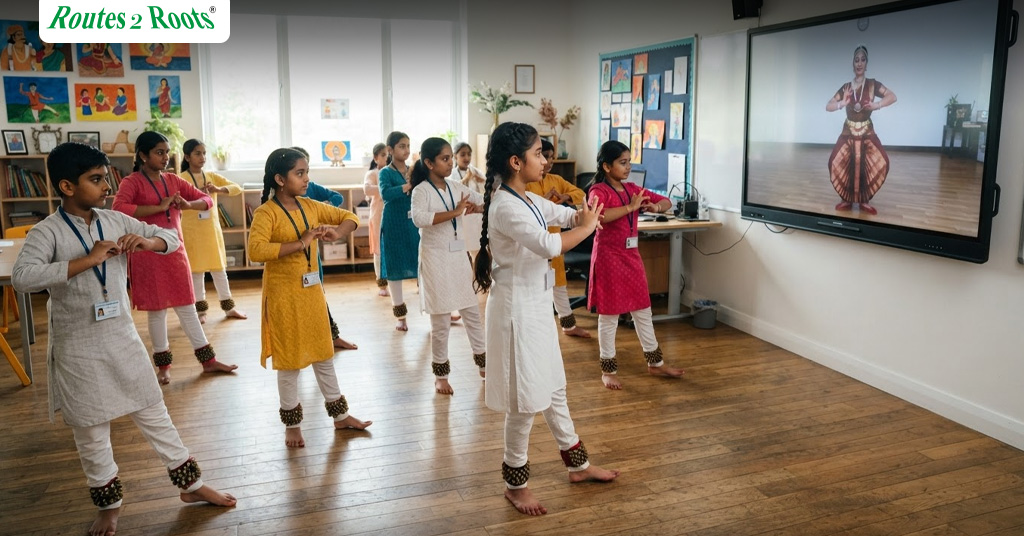
“Digital arts education” is the teaching of arts and craft skills through digital media and technology. It is also known as online art courses or the use of art software tools and technology. Beyond the physical classrooms, students may live stream their lessons, watch videos, and interact with their teachers in an online environment through virtual platforms and get to know different styles, tools for art or craft and techniques.
This opens up Indian art to a new generation of learners with opportunities hitherto unavailable. For instance, a student might not be able to learn a specific style of Indian dance directly from its teacher but now, s/he can learn it through digital platforms.
Digital learning does not mean the death of a teacher, it just means that they get another means to teach. Teachers can use digital tools or methods to show and help learners, learners however have more freedom to study through online resources and also get help from teachers if they so desire or can access teaching resources if they have trouble.
Why Access Matters in Arts Education
Art and art-related education support creativity and self-development, and arts education is a very important part of a student’s overall development and creativity. Through dancing music painting, or theatre, students learn various things like discipline confidence creativity, communication, and self-expression.
Still, the availability of studies, mostly in the arts, is very uneven across different geographic areas.
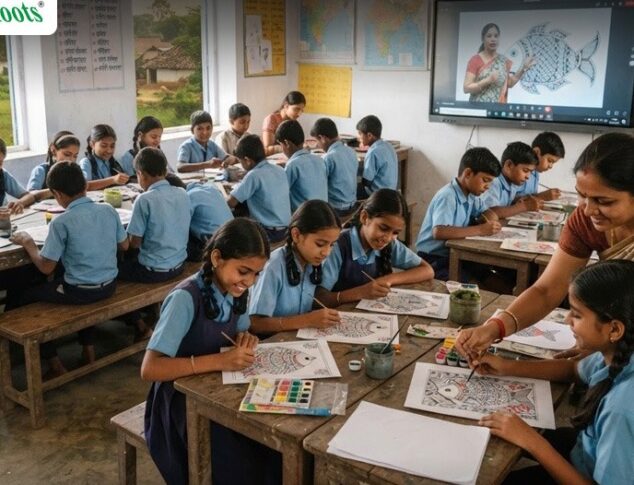
Whereas in urban areas students can benefit from classes led by experts, access to cultural institutions, etc. students living in rural or underprivileged areas may only have limited access opportunities, at best.
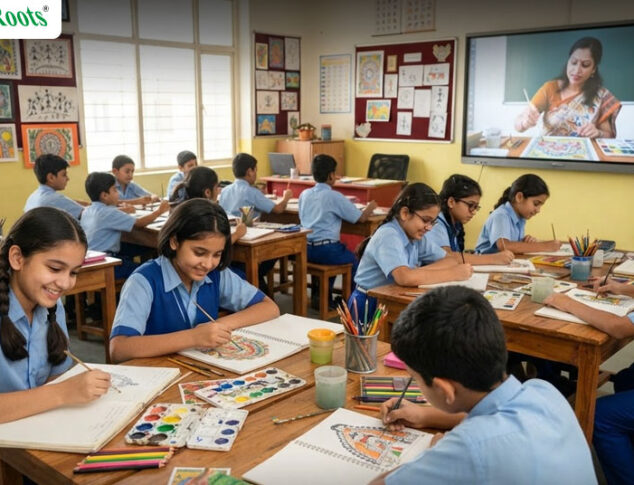
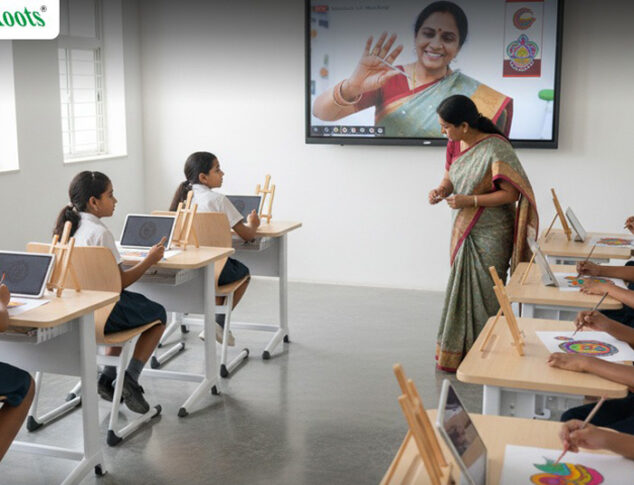
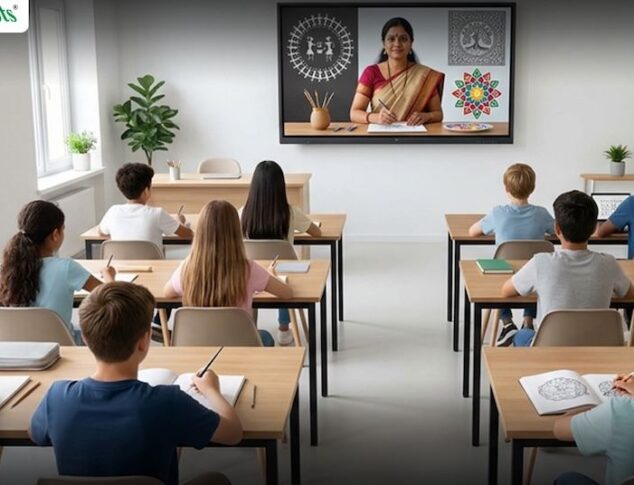
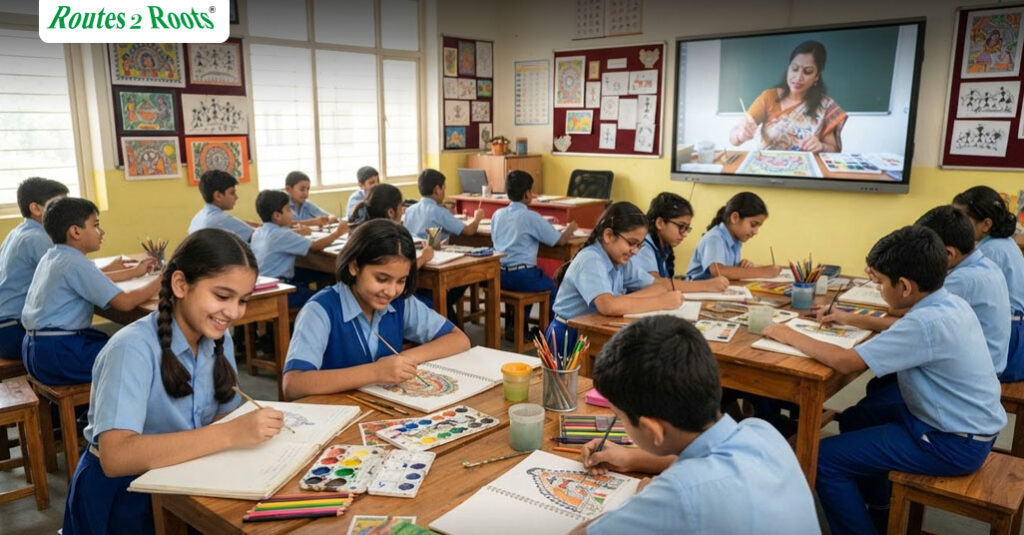
This is one of the main areas where so-called “digital arts education” can really contribute. Thanks to online connectivity, even a simple classroom can get students exposure to live demonstrations via video, lesson plans and other didactical material and even advice from a world-class expert without them having to leave the room for long.s.
Making Indian Arts More Accessible
One of the biggest advantages of “online arts education” is its ability to overcome geographical barriers.
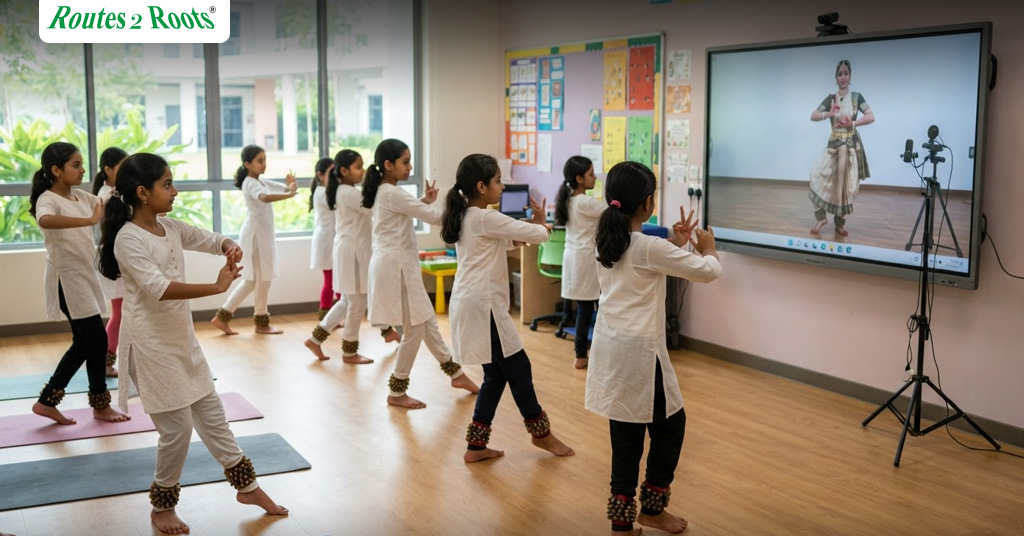
A dance instructor in one region of India can hold a class with students located across the state from where they live. Also, heritage artists are able to teach students the local traditional arts without requiring them to travel for miles.
This is in particular true because India is such a culturally rich country.
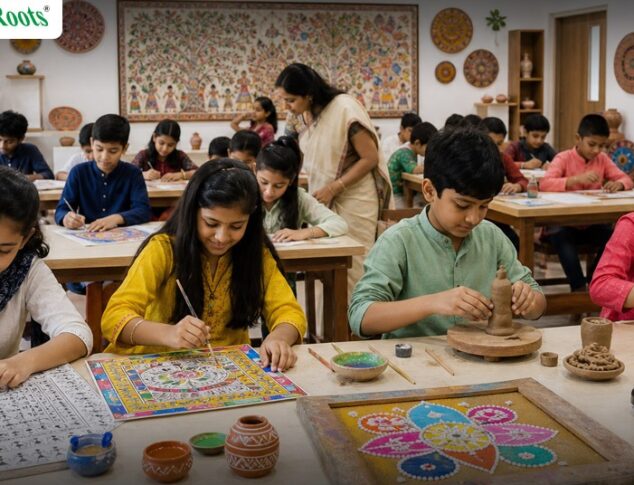
Through art forms from different parts of the country and diverse communities, students get the opportunity to see that Indian culture encompasses a wide variety that goes far beyond the traditions they are already familiar with.
Creating More Interactive Learning Experiences
Conventional classroom instruction and computer-assisted learning need not be competing approaches.
Technology allows for the creation of more visually stimulating and interactive lessons using showing, filming slideshows, e-learning through the internet, drawing with software, and live interaction.
Teachers can show and explain different moves techiques styles, or music concepts and the students can try themselves.
Youth who have grown up with digital tools will find these means quite naturally suited to their learning style and may also perceive the educational aspect of different cultures a bit more vividly and relevant through such teaching methods.
Connecting Students With Cultural Practitioners
Arts education becomes particularly powerful when students can learn directly from experienced practitioners.
Digital platforms can make such interactions possible at a larger scale. Students can observe a guru demonstrating a technique, ask questions, receive feedback, and understand the cultural context behind an art form.
This helps transform digital learning from simply watching content into a more participatory learning experience.
For organizations working in cultural education, this also creates opportunities to connect students with a wider network of artists and educators.
Taking Indian Arts Beyond India’s Borders
The potential of digital learning extends beyond accessibility within India.
Indian arts can now be introduced to learners around the world through virtual classrooms. International students can learn Indian dance, music, painting, calligraphy, and other cultural disciplines directly from practitioners based in India.
This creates a two-way cultural exchange. Students discover India’s artistic traditions while educators and artists gain an opportunity to share these traditions with global audiences.
For Indian cultural organizations, this represents an important way of keeping traditional knowledge relevant in an increasingly connected world.
Supporting Teachers, Not Replacing Them
One aspect in digital arts education is that it’s vital to remain aware of the teachers role.
Technology is able to offer resources, tools and connectivity but the process of artistic learning still is highly benefited by human supervision. The teacher can, for example, follow the development of a students technique, suggest better ways if the situation is not quite good, describe the concepts in other ways if necessary or help the student stay motivated.
This way, the best example is the combination of technology with teaching.
Digital interfaces give educators the opportunity to share their experiences with students around the world while maintaining the individualized touch that is essential for arts education.
The Role of Digital Learning Programs
Well-structured “digital learning initiatives” help create a more accessible and inclusive method of arts learning.
Advantages include:
- Putting pupils in touch with expert teachers and artists
- Exposing learners to traditional and modern art styles from several countries
- Enhancing the accessibility of demonstrations and learning packages
- Offering support on engaging and visual teaching techniques
- Opening new dimensions of cultural learning regardless of location
- Allowing students the chance to pursue their creative hobbies at home
Beyond this, the schools can also use this mode to expose the students to fields that are typically not included as part of their standard academic offerings.
Routes 2 Roots and the Digital Approach to Arts Education
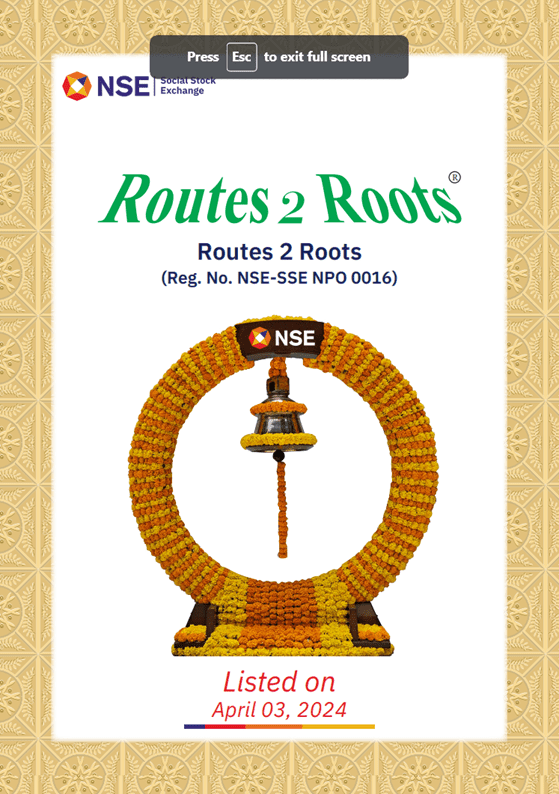
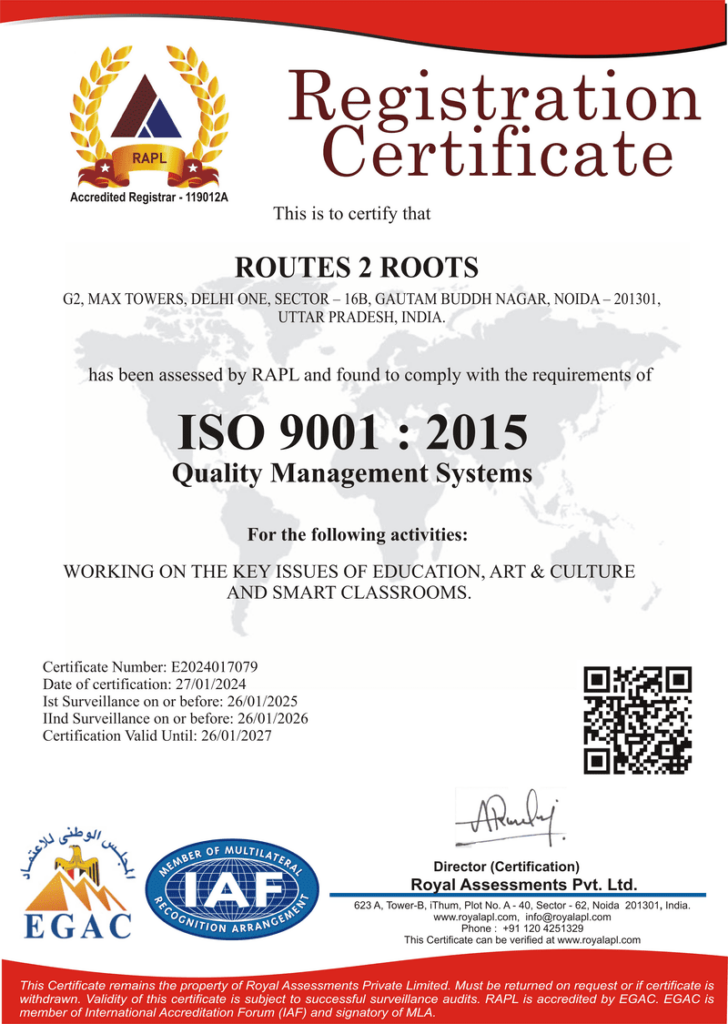
Organisations such as Routes 2 Roots demonstrate how digital infrastructure can be used to bring cultural and educational experiences into classrooms.
Through digital learning initiatives, students can experience Indian arts and cultural traditions through structured lessons and interactions with practitioners. This approach helps bring cultural education closer to students while using technology to overcome geographical limitations.
The broader opportunity is significant: digital platforms can help ensure that learning about India’s artistic heritage is not restricted to those who happen to live near a particular teacher, institution, or cultural centre.
The Future of Arts Education in India
The future of arts education will probably not be only digital or traditional. Rather, the most successful model may well take the best of both worlds. Practicing discipline, mentorship, and experience of a culture’s living are essential in the traditional arts.
The digital tech can supplement and even strengthen these by, for example, enabling more people to be a part of learning process, deepening their interest, and helping them meet their art teachers or get materials.
As connectivity and the availability of digital infrastructure keep expanding, “digital arts education” could bring the art of India to a vast generation of students that were otherwise unexposed. Simply putting arts education online is Yes not the intent here.
An online platform is just the start. A better future will probably involve bringing together the knowledge and traditions of different Indian art forms and making them reach out and connect with younger generations.
Conclusion
Technology is changing how India learns, and arts education is becoming part of that transformation. From classrooms in remote communities to students learning Indian arts from across the world, digital platforms are creating new possibilities for cultural education.
When technology is combined with skilled teachers, meaningful content, and opportunities for interaction and practice, it can help bring India’s artistic heritage closer to more learners than ever before.
The future of arts education may be digital, but its heart will always remain human.