




Art has been present in the human expression from the earliest periods of history. Paintings, dance, and music, it gives a sense of our identity and connects us with our past. Yet, the educational role of art is still overlooked.
In the present day, the term “art education” means far more than just a channel for creativity. It assists children in gaining confidence and acquiring life skills, besides providing them an opportunity to explore the cultural and community life. As digital learning programs start to rise, the availability and quality of art education is no longer limited to traditional classrooms. Now, people of diverse origins can access these programs and become creators of their own artistic stories.
Routes 2 Roots is among the organizations taking part in this change by removing barriers for access to art education by way of creative learning projects, which enable both children and their communities to grow together.
Art Education Shapes More Than Artistic Skills
Art education is not just about learning how to paint, dance, sing, or perform. It encourages children to think creatively, communicate effectively, and express themselves with confidence.
When students engage in artistic activities, they naturally develop:
- Creative thinking
- Problem-solving abilities
- Communication skills
- Collaboration and teamwork
- Emotional intelligence
- Self-confidence
These skills support academic achievement while preparing children for challenges beyond the classroom.
Creativity Builds Future-Ready Learners
The new generation consists of people who can be bring change, evolve and work alone without depending too much.
Art is an area which fosters such qualities through different kinds of activities as kids get involved, they are allowed to play with different concepts, try without fear to failure and look at challenges from many viewpoints.
From a theatre or painting activity one can see how active a learner a student has become, who has no problem in expressing his ideas and working with others.
These kinds of artistic learning lead to a generation of self-assured learners who easily cope with the dynamic changes of the world.
Strengthening Communities Through Art
The unique aspect of art is that it has the power to unite people.
Community activities like performances festivals exhibitions, workshops and collaborative projects are platforms for people of diverse backgrounds to not only learn from each other but also to celebrate traditions that are common through them.
Cases where children are involved in these types of projects have led parents and local groups to become key players in keeping cultural heritage alive.
In such cases, art education does more that just benefit the learner but in fact it also enhances social connections and community involvement.
Digital Learning Is Expanding Access to Art Education
Technology has really changed how kids study.
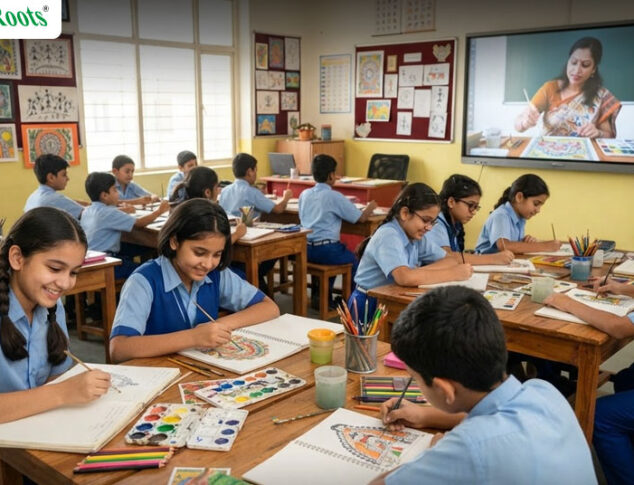
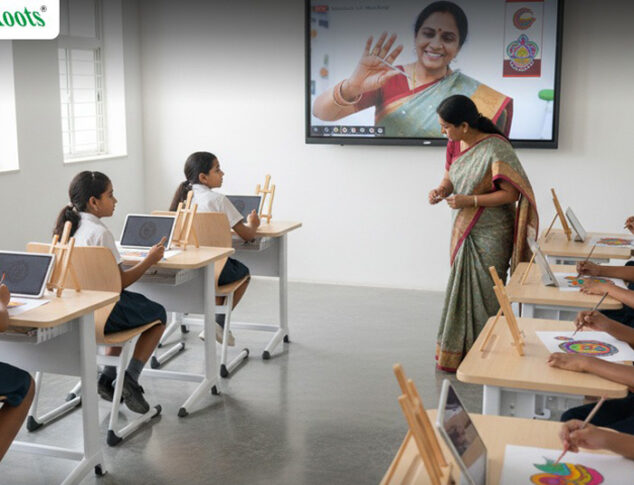
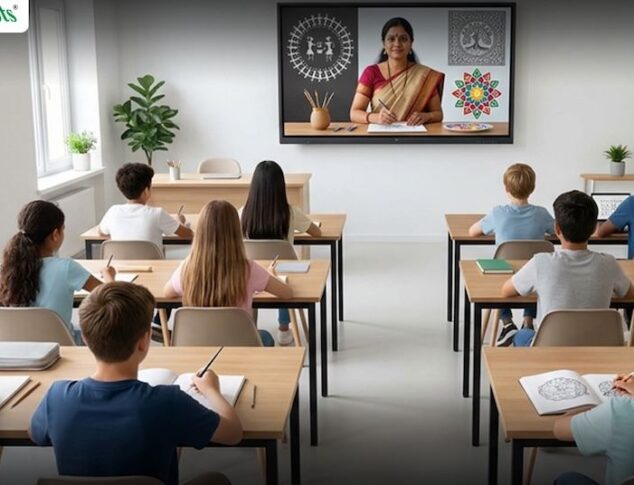
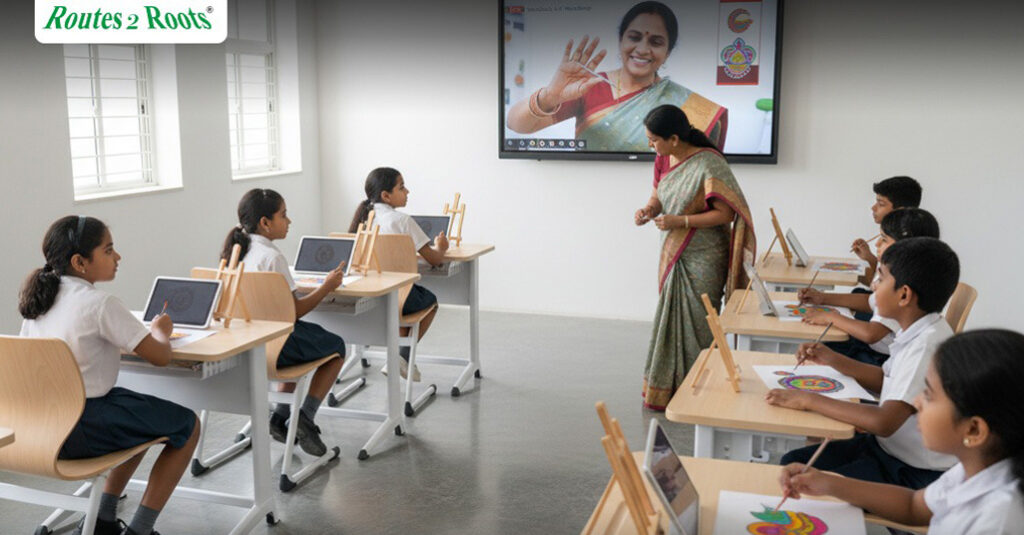
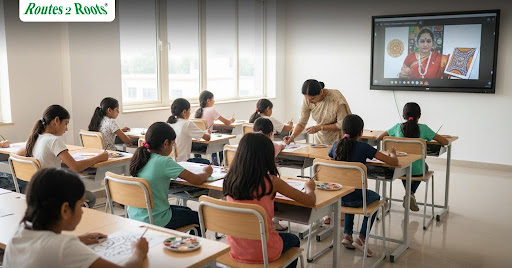
Today, a “digital learning art program” allows students to connect with experienced artists and educators regardless of where they live. Online interactive sessions, virtual masterclasses, and digital studios have brought better chances of studying creative arts to those who would not otherwise have access to them.
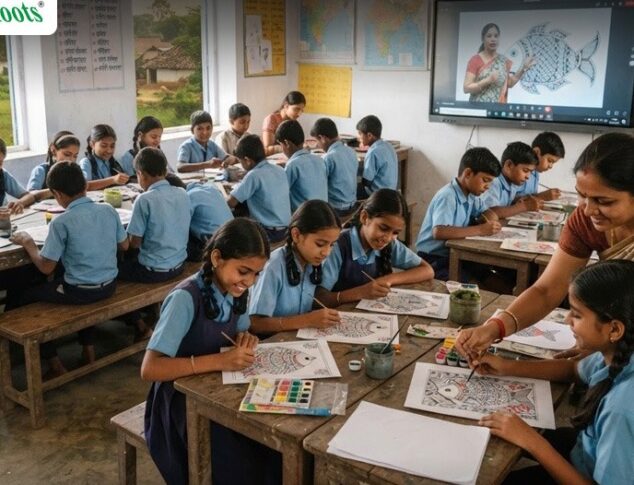
Via creatively and technologically well-built “digital learning programs”, students residing in either city centers or remote villages equally can access to various forms of Indian creative arts such as dance music theatre, and visual arts and other art forms by being exposed through engaging and interactive ways.
Education made in this way is removing barriers of location and at the same time making each one of the learners capable of receiving a creative education.
Preserving Culture While Inspiring Innovation
India’s artistic heritage is the embodiment of centuries of wisdom, customs, and tales that have been narrated through different art forms.
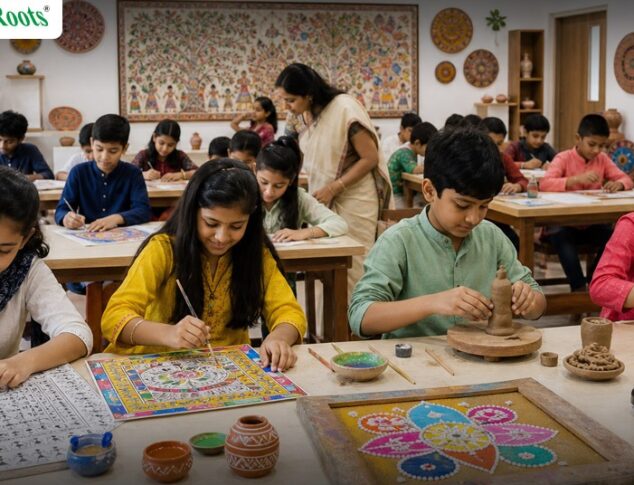
Art education really helps in keeping these traditions alive by familiarising younger generations with classical and folk art forms, and encouraging them to discover and interpret culture in their own terms.
Kids who get exposed to the wide variety of artistic expressions in India grow to be proud of their heritage while broadening their knowledge of different cultures.
This mix of protecting the past through artistic innovation and development gives rise to a group of learners who are grateful for the history while also creating the future.
The Role of NGOs in Art Education
A wide range of nonprofit organizations throughout India make it possible for creative education to reach children from all walks of life.
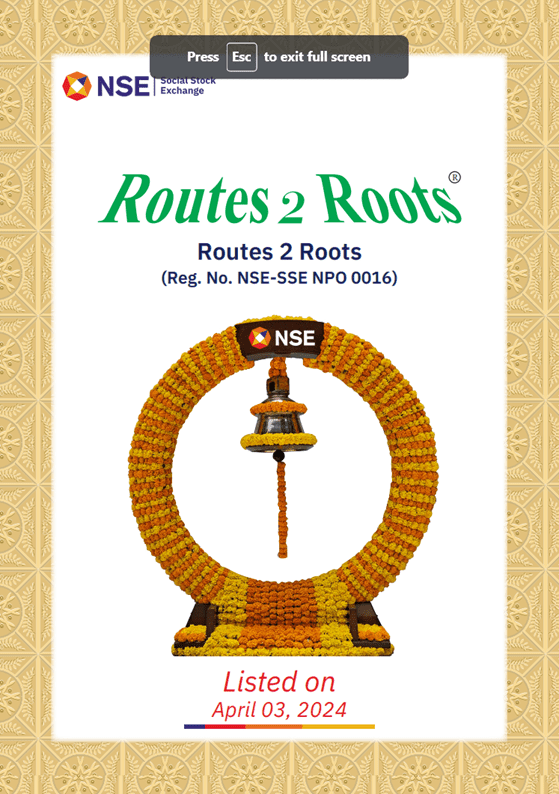
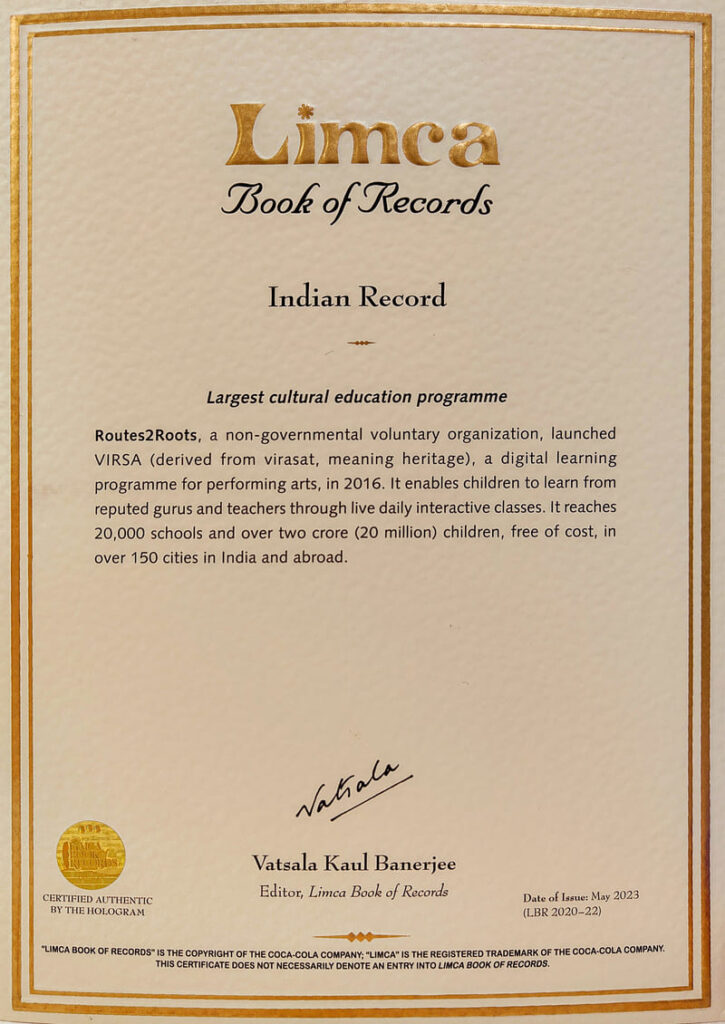
Routes 2 Roots, which is an “art education NGO in India”, is an example of such organization that collaborates with schools teachers government institutions as well as communities.
Their programs are different: cultural workshops, school engagement activities, international cultural lessons, and using technology to help the students get creative while being aware of their country’s artistic heritage.
The “art education NGO” not only shows how culture and innovation can co-exist, it also indicates the educational and social changes that an “art education NGO” can initiate for a long time.
Empowering Every Child Through Opportunity
Each child should be given a chance to unleash their imagination and creativity.
Besides being fun, art education also is a means to learners to uncover their hidden abilities, get a boost in self-confidence, and acquire competencies that go well beyond the realm of art.
To a great number of kids, engaging in artistic or creative things can be the initial experience of recognizing the way to put their thoughts into words and having a voice, not to mention that doing these activities can give them more belief in themselves.
Kids who are stimulated through art get more confidence in class, become better communicators, and their involvement within the community also escalates.
Investing in a More Creative Future
An education is at its best if it brings together mind and imagination.
The investment in art education by schools and communities allows innovation, empathy, and cultural appreciation to take off and spread simultaneously.
Yes with the ongoing development of ‘digital learning programs‘ more children nowadays, for the first time, are reaching an excellent creative education irrespective of where on earth they live.
The results of such an investment are twofold: the learners and the communities are enriched, leading to communities which are not only more resilient and inclusive but also culturally more aware.
Conclusion
Art education goes far beyond the notion of being merely creatively inclined. It’s a powerful means of instilling in children the very traits of confidence, curiosity, and compassion that they would carry with them into adulthood.
Innovations that blend art with digital media have allowed for the creation of “digital learning art programs, ” like these through which “Routes 2 Roots”, an organization is ensuring that quality art education reaches learners spread across India while still holding on to the country’ cultural heritage at the same time.
Beyond being just one of the art education NGOs in India which are very many, “Routes 2 Roots” keeps doing its great work for encouraging young ones and also supporting communities in their progress, by demonstrating that creativity is perhaps the most valuable skill a learner, child or otherwise, can ever acquire.
There is a saying that when the young are given the chance to grow using art, the community around them will benefit as well. So, art does more than just nurture the artist’s soul but the whole society as well.