



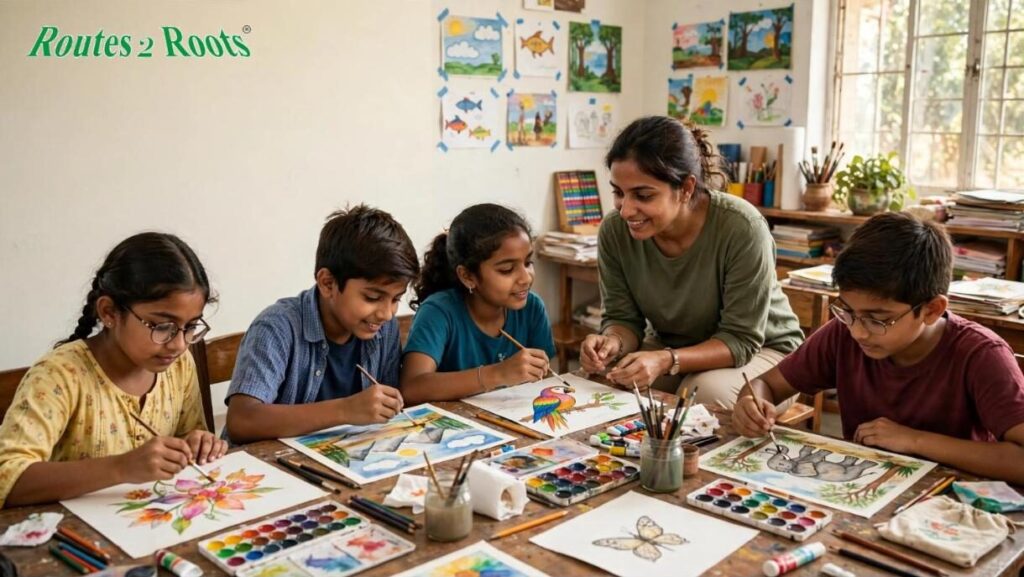
All children express themselves differently and find their passion in a different art form. Some children are into music and dance, some get into fine arts, theatre, and writing while for others it is about acting and a flair for fiction. Not every child gets the opportunity to explore their creativity. Insufficient resources, financial constraints and absence of experienced teachers are often the factors.
That is exactly where a non-profit arts education organization can play a powerful role. Providing learning opportunities for children that are all inclusive will allow them to unlock their creative potential, learn new skills, and gain confidence with creative self-expression.
Making Arts Education Accessible
Arts education improves the development of a child’s creative and social capabilities, but many children in our society are not exposed to a structured program of artistic training. Non-profit organizations strive to cover the lack of access to arts by providing children exposure to arts of varying kinds within workshops, educational programs, and interactive learning sessions.
Through these programs, students from all backgrounds are able to experience dance, theatre, visual art and music, regardless of ability to pay.
Increasing access to arts education enables children to explore their interests and talents in different areas.
Encouraging Creativity and Self-Expression
Creativity is fueled when children feel free to think of new ideas, play with them, try them out, and express themselves. Art programs can foster the space for children to be free to imagine, create, and explore new possibilities.
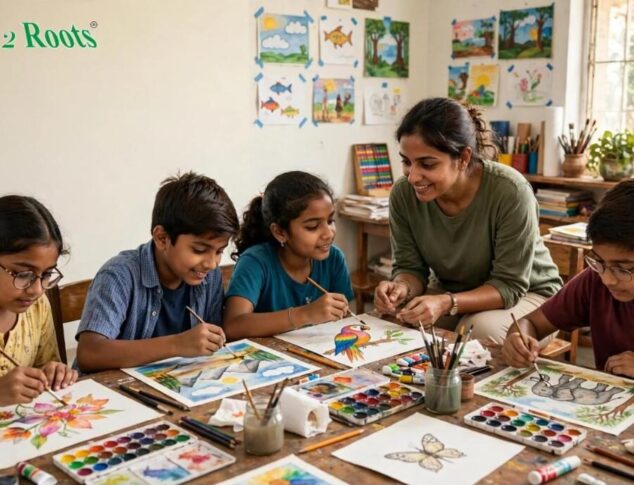
No matter if you are learning a dance move, practicing a musical instrument or drawing/painting a piece of art, kids grow more confident in independently thinking on how to approach something in new ways.
They also provide them other means of expressing their thoughts and feelings. Children tend to feel more at ease expressing themselves and being receptive to the ideas of others.
Building Confidence Through Artistic Learning
The arts matter a lot in child development. One of the greatest advantages of arts education is boosting children’s confidence. It’s a chance to learn something new, join a group, and perform in front of people.
With practice and plenty of teacher support, children will slowly begin to open up. Even completing a difficult dance move or painting can be immensely satisfying for a child.
They can also positively affect children outside the classroom, helping them become more engaged, expressive, and resilient learners.
Developing Important Life Skills
Arts education is not limited to developing artistic abilities. It also introduces children to values and skills that contribute to their personal growth.
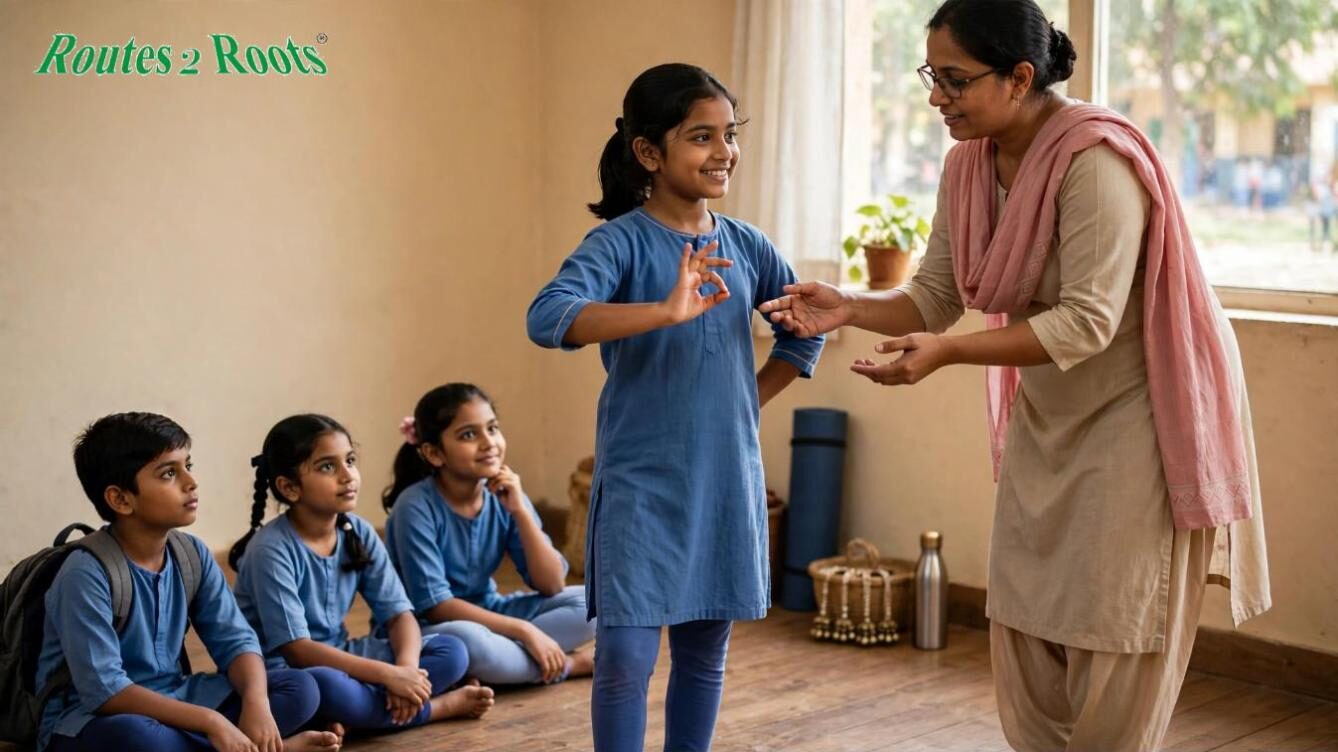
Learning an art form requires patience, discipline, consistency, and dedication. Group performances and collaborative activities encourage teamwork, mutual respect, and communication. Children also learn that improvement takes time and that mistakes are a natural part of the learning process.
These lessons help nurture qualities that remain valuable throughout their academic journey and everyday lives.
Connecting Children With India’s Artistic Heritage
There is no shortage of avenues in Indian art, tradition, and culture for kids to learn from and enjoy. Indian arts, from traditional dance and music to folk performances and painting, all have their own stories, styles, and identities.
Involving children with these customs enables them to understand the different artistic traditions of India. Children will be able to experience the culture and mythology of the world of arts with the guidance of their professional teachers and artists.
A non-profit arts education organization can help preserve those traditions by exposing the next generation to them and creating a pathway for them to continue to learn.
Frequently Asked Questions (FAQs)
1. How does arts education help children build confidence?
Arts education encourages children to explore their abilities, participate in creative activities, and showcase their work. These experiences help them overcome hesitation, express themselves, and develop confidence.
2. Why are non-profit arts education organizations important?
A non-profit arts education organization helps make creative learning more accessible, particularly for children with limited opportunities. Through workshops, educational programmes, and artistic initiatives, these organizations introduce students to different art forms and encourage creative development.
3. What skills can children develop through arts education?
Arts education helps children develop creativity, communication, teamwork, discipline, patience, problem-solving, and self-expression. These skills contribute to their personal growth and support their overall development.
How Routes 2 Roots Is Supporting Arts Education
Here at Routes 2 Roots, we believe every child deserves to experience creative learning from the arts and culture sector and we work to make this more accessible.
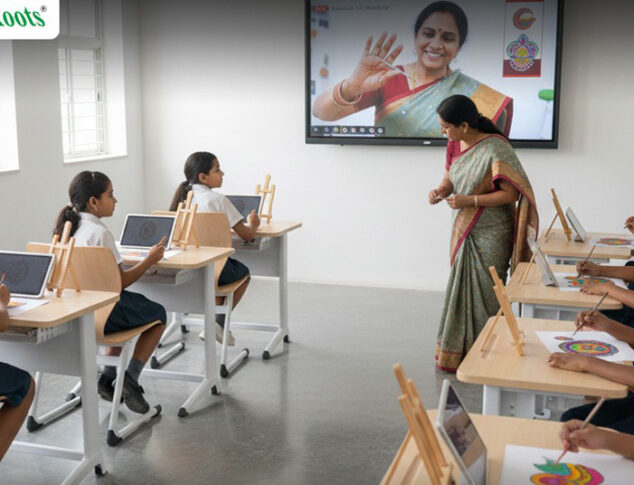
At the heart of Routes 2 Roots are arts-based learning programmes. Through digital learning, art workshops and camps and education sessions we give students access to the widest possible spectrum of artistic expressions. They are paired with expert teachers and artists to discover their interests, expand their skills and deepen their understanding of India’s traditions.
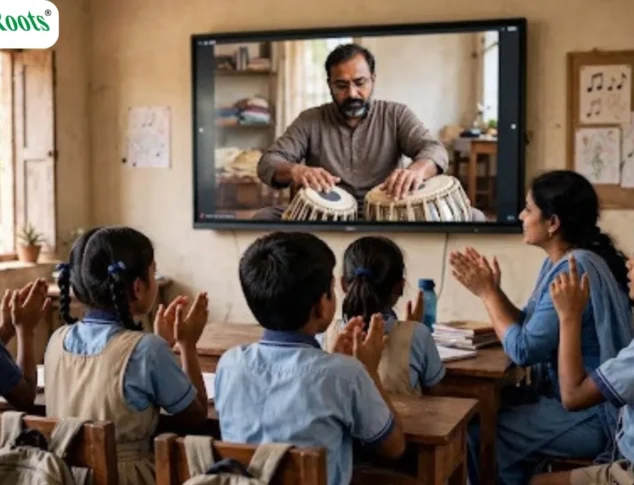
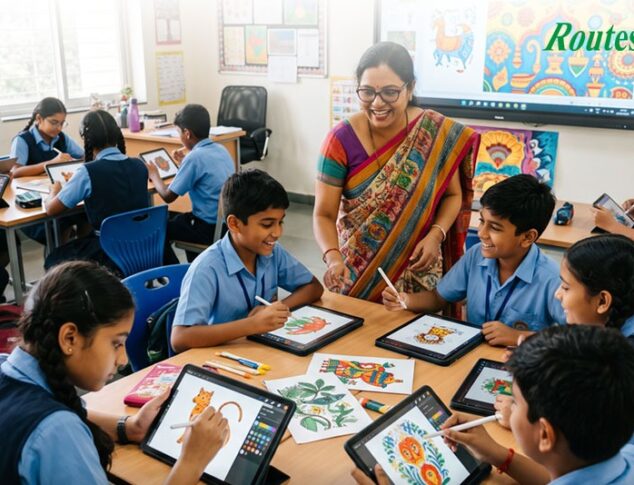
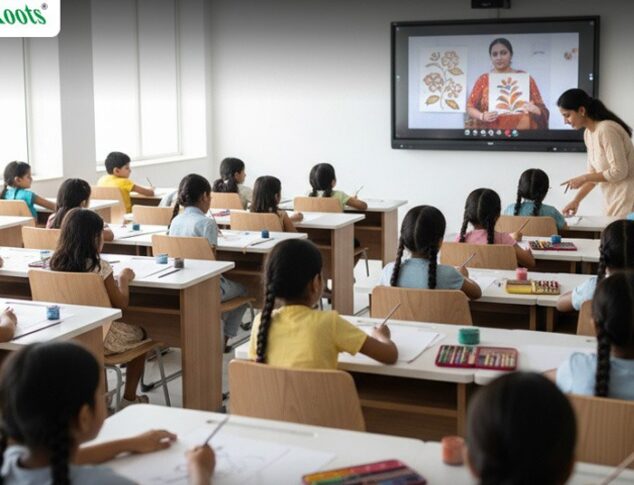
Its programmes also show how technology can work alongside conventional teaching approaches and provide artistic learning opportunities to students outside the limits of geography.
Conclusion
Arts education gives children more than the skills to sing, dance, paint, or perform. It inspires curiosity, builds confidence, nurtures creativity and can support the development of key life skills.
A non-profit arts education organization makes these opportunities open to children who might not otherwise get the chance to explore their creative potential.
In the end, every child should have the opportunity to find and develop their skills, to have a voice, to love and be loved, to set themselves free and to grow into themselves. Education is not only learning; it’s about illuminating the mind, body, and soul.