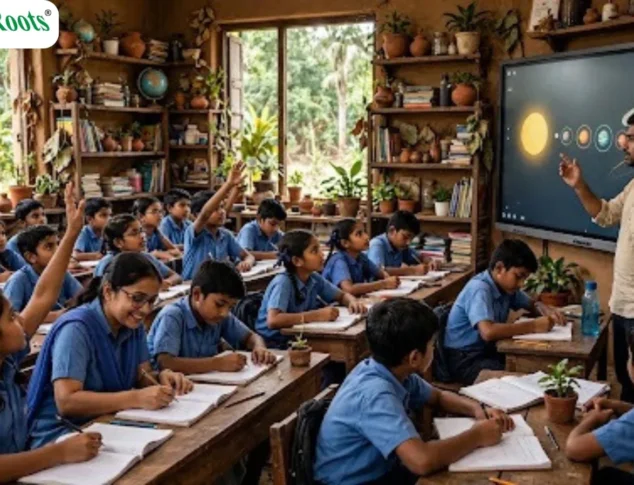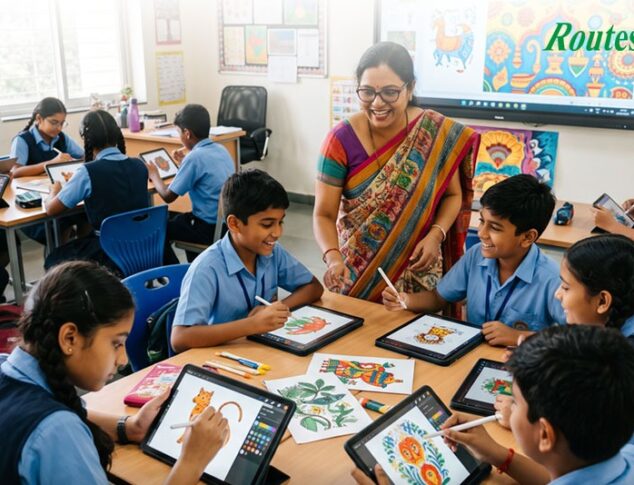





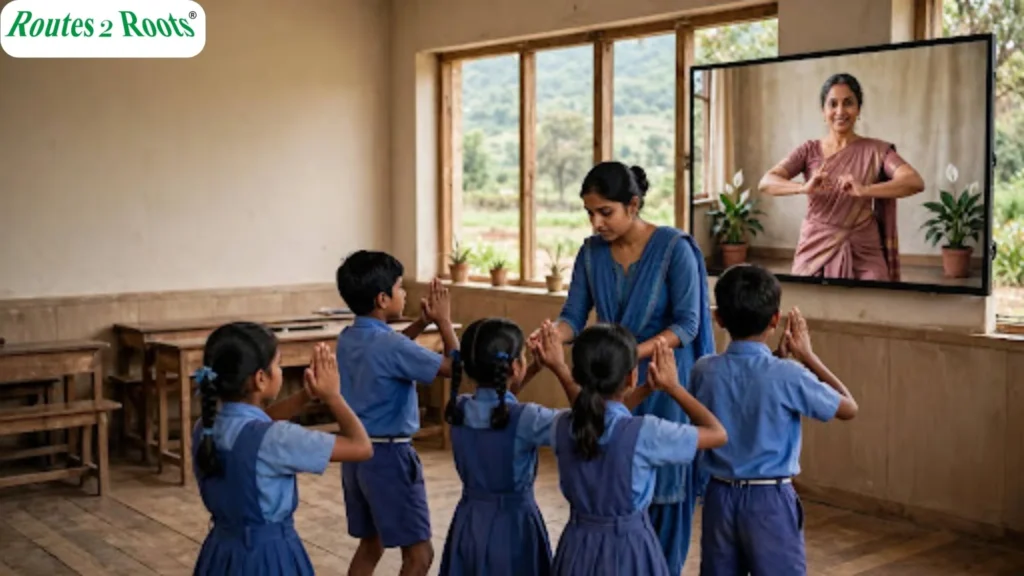
Cultural education plays an important role in helping students discover their roots, develop creativity, and appreciate different forms of artistic expression. From traditional music and dance to theatre, painting, and storytelling, cultural education connects students with the history and traditions of their communities.
Yet, access to such opportunities is not yet pervasive in many remote and rural locations, where schools and arts disciplines may be geographically sparse.
Improving “cultural education in remote areas” involves more than just the delivery of arts education in schools. It means providing learners with pathways to learning, helping teachers, and adopting innovative methods that can reach the remotest learners.
Why Is Cultural Education Important for Students in Remote Areas?
Culture and arts education invites students to expand their creative potential and a greater understanding of the traditions and the art-making around us. It can also foster risk-taking collaboration, confidence and curiosity.
Arts education in remote communities can also open their horizons and introduce them to more ways of learning the arts beyond their immediate environments. They can learn from other styles, different traditions of arts and gain awareness of the vastness of the Indian performing and visual arts.’
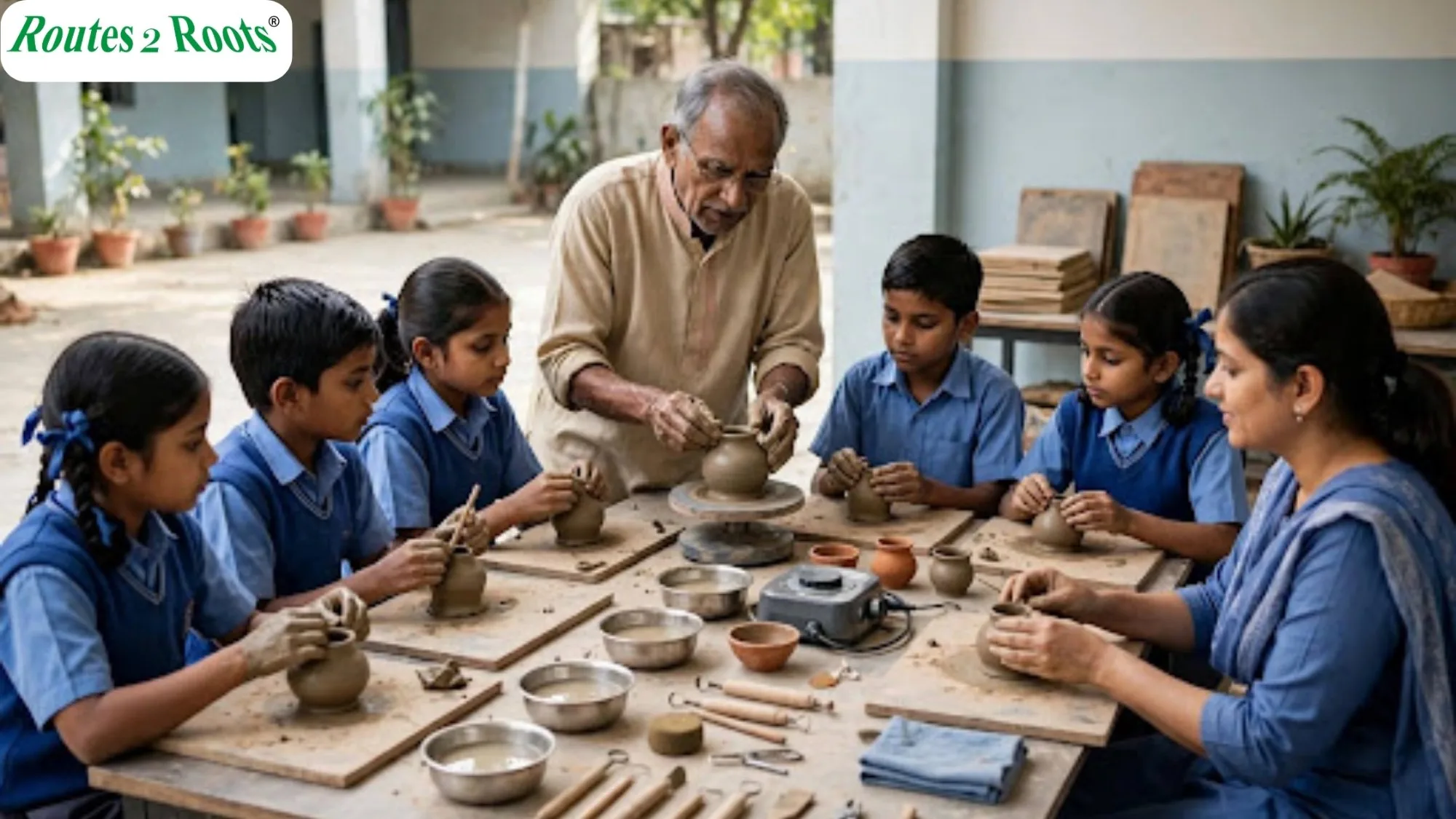
Cultural learning also offers opportunities for inter-generational sharing of knowledge. Local crafts people, musicians, dancers, artisans, and storytellers can assist students in understanding the relevance of customs and tradition and the skills needed to sustain them.
If schools open up arts education, schools have the chance to make sure that location will not be limiting a student’s potential to explore creativity and cultural understanding.
Major Challenges in Cultural Education in Remote Areas
Despite its educational value, cultural education in rural communities often faces practical challenges. Addressing these barriers is essential to creating learning programmes that are accessible, consistent, and meaningful.
1. Limited Access to Trained Arts Educators
One of the biggest challenges in arts education for rural students is the availability of qualified instructors. Schools in remote areas may have limited access to teachers specialising in classical dance, music, theatre, painting, or other art forms.
Without the right direction, students might miss out on the chance to increase their skills during both lessons and wider activities. Teachers may also require new training and resources to enable arts-based learning.
Partnering with artists, cultural organisations and educational institutions can help ensure a focus on specialist tuition, supporting local teachers.
2. Inadequate Infrastructure and Learning Resources
Educational facilities in many remote schools are minimal. Specialist art equipment, musical instruments, performance spaces, art classrooms and many other types of specialist facilities are not on hand.
These limits may have caused difficulties in running routine practical classes, mainly when the class involves the use of equipment or other materials.
These kinds of limitations shouldn’t hold back schools, still. Innovative teaching strategies can circumvent some of these limitations, providing creative learning environments using limited resources like inexpensive art supplies, community spaces, and more adaptable classroom activities.
3. Digital Connectivity and Technology Barriers
How can digital help? Digital platforms help us access our cultural education as teachers and resources may be outside the immediate vicinity of the students. But poor internet access, lack of equipment and electricity can hold students back.
The barriers become more applicable when programmes are delivered via live video streams or high-bandwidth educational content.
A broader mix of approach is to offer sessions online, with recordings to download, with print materials for users working offline, and where time is booked for shared access to computers and the internet. This way technology is not a barrier to culture.
4. Limited Awareness and Institutional Support
For certain communities, arts education may not be prioritised above subjects believed to be more directly related to academic achievement and career prospects. Schools may because of this find it difficult to dedicate the necessary time, funding, or resources to cultural learning.
Many parents and schools might not realize that arts education has educational value.
Awareness raising exercises, school, and community level activities, and engagement with community-based cultural organisations can contribute to making the learning process accessible and to making the link between creative learning and academic education more clear to all.
5. Preserving Traditional Art Forms While Expanding Access
Remote communities may possess rich artistic traditions that are passed down through families and local practitioners. However, students may have limited opportunities to document, study, or engage systematically with these art forms.
Cultural education should therefore do more than introduce students to unfamiliar artistic practices. It should also create opportunities to learn from local knowledge holders, understand regional traditions, and appreciate the diversity of India’s cultural heritage.
Bringing traditional knowledge into structured learning programmes can help connect classroom education with the artistic practices of the surrounding community.
Innovative Solutions to Improve Cultural Education in Remote Areas
Addressing these challenges requires a combination of technology, teacher development, community participation, and accessible educational resources. No single solution will work everywhere, so programmes should be designed around the needs and circumstances of individual communities.
1. Digital Platforms for Arts Education
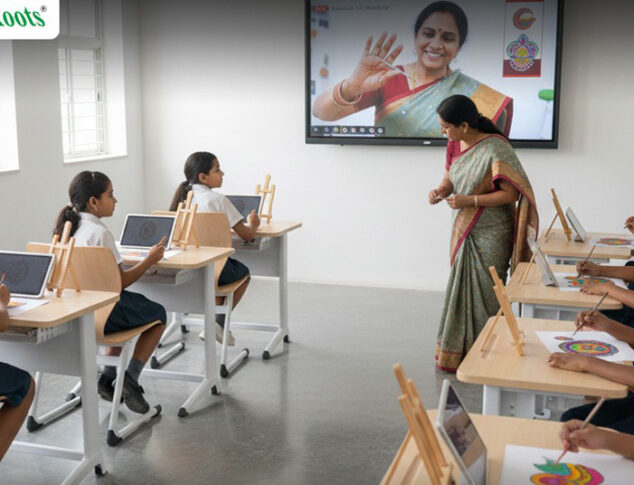
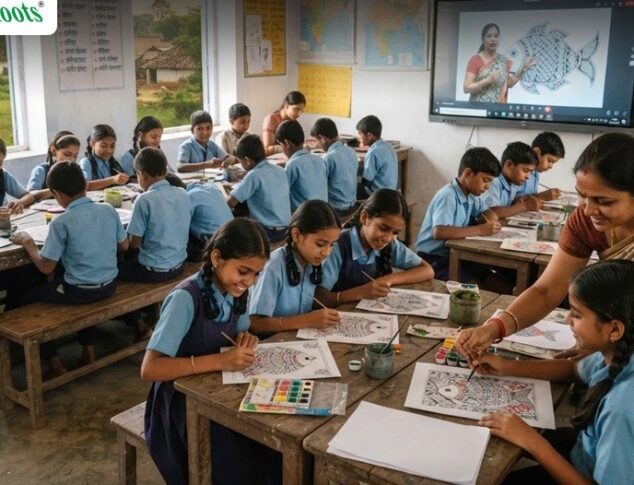
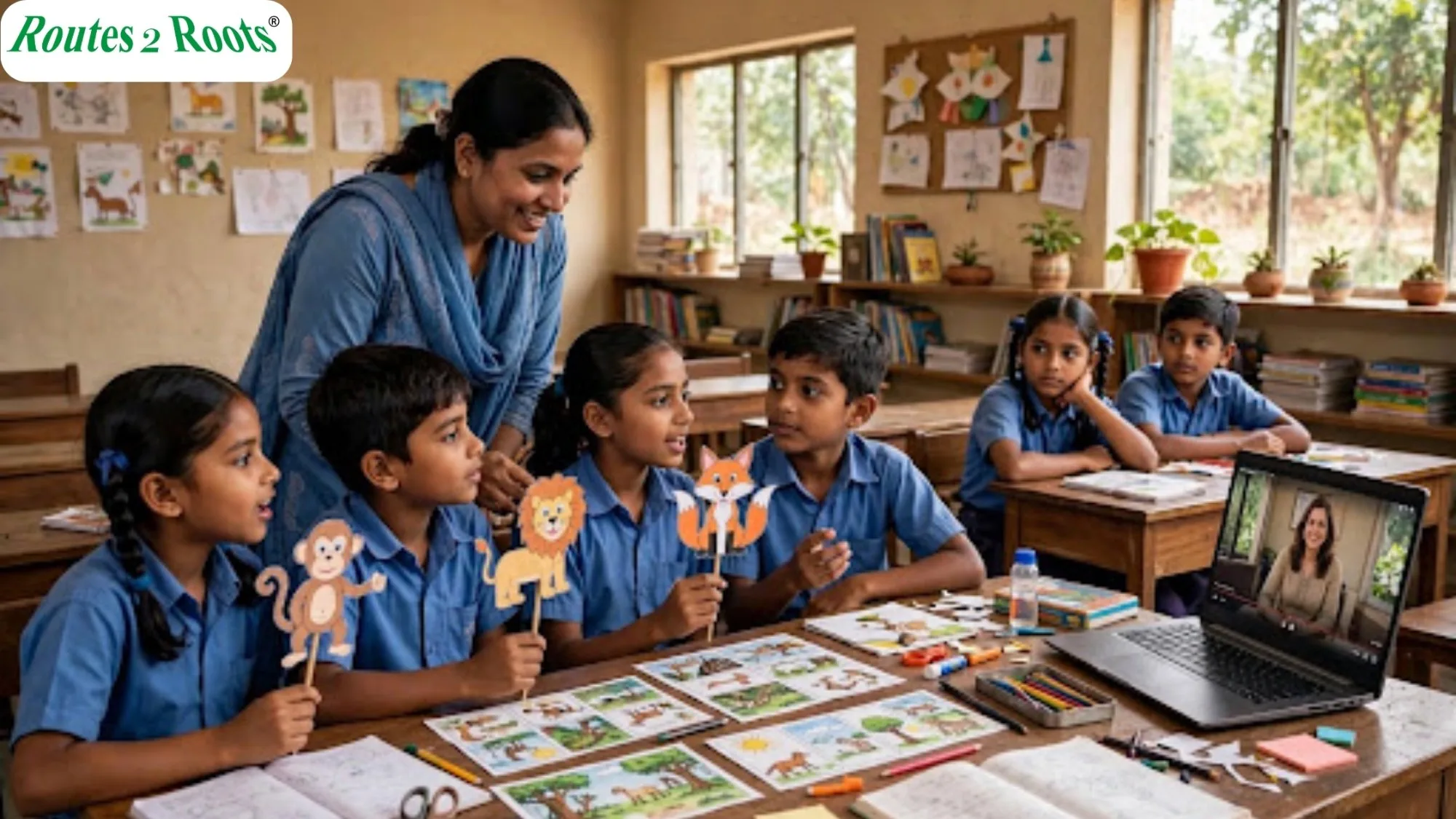
Digital learning platforms can connect students in geographically isolated locations with artists, instructors, and cultural educators. Through virtual classes, recorded demonstrations, and interactive learning sessions, students can explore art forms that may not be taught in their local schools.
For example, a student in a remote village could attend an online introduction to theatre, learn the basics of a traditional dance form, or watch demonstrations explaining musical techniques.
Digital learning for cultural education can also help organisations reach multiple schools without requiring instructors to travel to every location. However, effective implementation depends on accessible technology, appropriate lesson formats, and opportunities for students to practise what they learn.
2. Teacher Training and Capacity Building
Training local educators is essential for creating sustainable arts education programmes. Even when specialist artists cannot visit a school regularly, trained teachers can help students continue learning between specialist sessions.
Teacher training may include practical workshops, teaching resources, demonstration videos, lesson plans, and guidance on conducting arts-based classroom activities.
Capacity-building initiatives can also introduce educators to different Indian art forms and provide methods for adapting lessons to different age groups and learning environments.
When teachers receive ongoing support, cultural education becomes more integrated into the learning process rather than remaining an occasional activity.
3. Community Participation and Local Artist Partnerships
Local artists and cultural practitioners can play an important role in expanding access to arts education. Their knowledge provides students with direct exposure to artistic techniques, cultural histories, and regional traditions.
Schools and educational organisations can collaborate with musicians, dancers, theatre practitioners, painters, and craftspeople to conduct workshops, demonstrations, and interactive sessions.
These partnerships also create opportunities for students to learn about the work involved in sustaining traditional art forms. Inviting community members to participate in educational activities helps make cultural learning relevant to students’ own experiences.
Where possible, programmes should recognise and compensate artists fairly for their time, expertise, and contributions.
4. Hybrid Learning Models
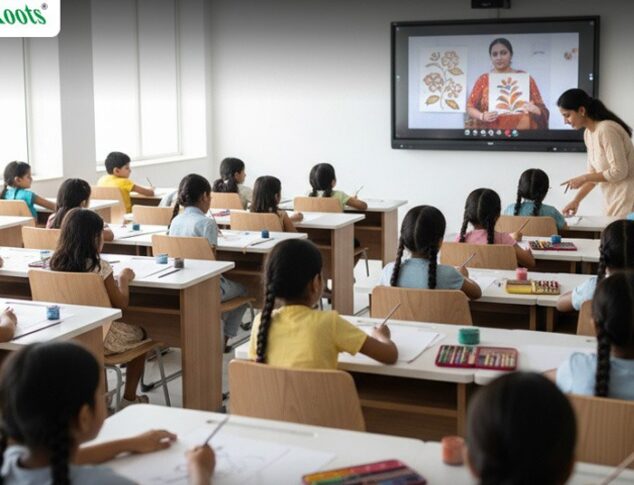
A hybrid model combines digital instruction with face-to-face activities. It can be particularly useful when schools have intermittent internet access or when students need practical guidance to develop artistic skills.
For instance, students could watch a recorded dance demonstration, attend a live online session with an instructor, and then practise the movements in a supervised classroom activity.
Similarly, theatre lessons could combine digital storytelling sessions with group performances at school.
This approach offers flexibility while retaining the interaction and practical experience that are central to many art forms. It also allows teachers to reinforce concepts after an online lesson has ended.
5. Partnerships Between Schools, NGOs, and Cultural Institutions
Sharing knowledge with remote communities can involve several organisations that have diverse points of reference. Schools give access to children and teens, cultural institutions add artistic quality, and aid organisations coordinate the programming and educational content.
These collaborations can help in online classes, teacher training, distributing resources, community workshops, and learning for the future.
Partnership between organisations can help locate schools with poor access to arts education and programmes can be designed so.
Though, clearly defined roles and responsibilities, ongoing communication, adequate funding and continuous evaluation are crucial to these collaborations providing real and sustainable results.
6. Contextual and Multilingual Learning Materials
Cultural education becomes more accessible when students can connect new concepts with familiar experiences. Learning materials can incorporate local stories, regional music, traditional crafts, folk theatre, and community celebrations.
Where appropriate, lessons can also include explanations in languages familiar to students, alongside relevant artistic terminology.
This approach helps make learning more engaging without treating local traditions as separate from broader cultural education. Students can explore the relationship between their own communities and India’s wider artistic landscape.
How Routes 2 Roots Contributes to Accessible Cultural Education
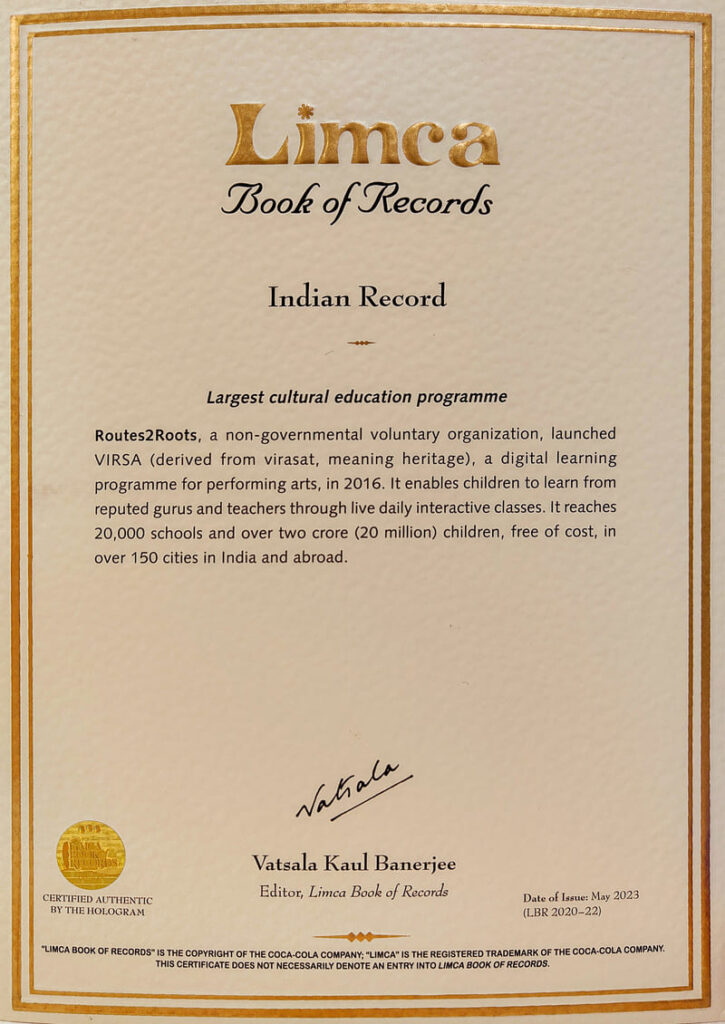
Alongside work happening in the classroom, educational, and arts organisations have a role to play in providing additional pathways for children with little access to specialist teaching. Routes 2 Roots aims to increase access to Indian performing arts and learning opportunities via digital platforms.
Digital learning approach offers a valuable example of how technology can help to cross borders between learners and art and the arts. Online courses and learning resources can introduce students to performing arts, while teacher training and institutional exchanges can support learning programmes.
When working with remote schools, this package of online access and teacher learning offers the ideal dual approach: technology can bring specialist learning into schools, and teachers can provide a lead in keeping activities alive.
These efforts work best when they aim to meet the needs of schools that participate, consider the limited infrastructure of the school and give learners the chance to interact with what they learn.
Measuring the Impact of Cultural Education Programmes
Introducing an arts education programme is only the first step. Schools and implementing organisations also need to understand whether students can access the lessons, participate consistently, and develop their knowledge and skills.
Useful indicators include student enrolment and attendance, participation in practical activities, teacher training completion, and student feedback. Organisations can also assess whether participating schools continue offering arts-based activities after a programme concludes.
Where feasible, evaluating student work, performances, and creative projects can provide further insight into learning outcomes. Feedback from teachers, parents, local artists, and community members can help identify barriers that attendance figures alone may not reveal.
Regular evaluation allows programme organisers to improve lesson formats, strengthen teacher support, and allocate resources more effectively. It also helps distinguish between simply delivering classes and creating sustainable opportunities for cultural learning.
The Way Forward: Making Cultural Education More Inclusive
Technology allows students to have access to experts, professional development can increase teaching quality in our local communities and culture in education can thrive through community engagement.
But, at the same time, successful programmes need to acknowledge that community geography may mean remote communities face different challenges. Connectivity language infrastructure, the range of teachers and community practices will all influence the programme design.
Arts education can be made more inclusive by the addition of technology and interactions between people and in the community. It should not be just about exposing learners to various art forms but having enough opportunities for students to try out, understand, and to truly enjoy it.
“Cultural education in the remotest corners of the country need not remain a mere dream. ” With the right planning, inter-institutional coordination and effective technology-enabled systems of learning, more students can explore and appreciate art and forge a bond with India’s cultural diversity.
Frequently Asked Questions (FAQs)
1. What is cultural education in remote areas?
Cultural education in remote areas refers to providing students in geographically isolated or underserved communities with opportunities to learn about music, dance, theatre, visual arts, local traditions, and other forms of cultural expression.
2. What are the main challenges in providing arts education in rural areas?
Common challenges include limited access to trained arts educators, inadequate infrastructure, restricted availability of learning materials, digital connectivity issues, and insufficient institutional support for arts-based programmes.
3. How can technology improve access to cultural education?
Digital platforms can connect students with specialist instructors through online classes, recorded demonstrations, and interactive sessions. Offline resources and hybrid learning models can help make these opportunities more accessible in areas with unreliable internet connectivity.
4. Why is teacher training important for cultural education?
Teacher training equips educators with the knowledge, resources, and practical methods needed to conduct arts-based learning activities. It also helps schools continue offering cultural education when specialist instructors are not regularly available.
5. How can NGOs support cultural education in remote communities?
NGOs can collaborate with schools, artists, and cultural institutions to organise digital classes, provide educational resources, support teacher training, and develop programmes suited to local learning needs.
6. How does cultural education help preserve traditional art forms?
Cultural education gives students opportunities to learn about traditional artistic practices, engage with local practitioners, and understand the histories and techniques behind different art forms. These experiences can encourage greater appreciation and continued engagement with cultural heritage.