




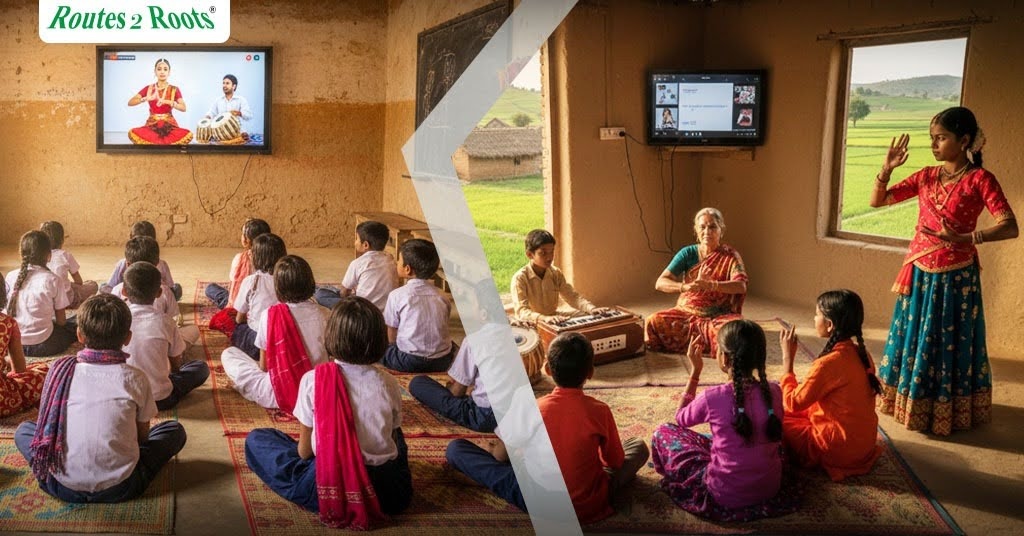
India’s cultural heritage is not confined to museums or metropolitan stages. It lives in villages, small towns, forests, and border communities where folk traditions, crafts, music, and dance are passed down through generations. Yet, these are the very places where access to structured arts learning is the weakest. Strengthening cultural education in remote areas is not just about preserving tradition, anymore. It is also about building confident learners, resilient communities, and a future-ready India.
The Access Gap in Remote Communities
Remote and underserved areas continue to grapple with a persistent access gap to quality education. Children generally do not have structured engagement with their cultural roots. This is because of lack of infrastructure, shortage of trained teachers, and fewer possibilities for creative exposure. When arts and culture are not part of the curriculum, education becomes limited. It also becomes less interesting. Eventually, this leads to a loss of both identity and the desire to progress.
Incorporating cultural education in the curriculum in remote area settings is one way of narrowing this gap. Arts, based education helps focus, emotional management, and self, esteem, the skills that can be a foundation of better academic results. What is more, it acknowledges the local customs and languages. It starts giving the students an opportunity to view their heritage as a source of strength rather than an obstacle.
Why Cultural Education Matters for India’s Future
Cultural education is not just about honing artistic skills; it also fosters empathy, teamwork, and problem, solving skills. In a country as diverse as India, these qualities are considered essential for social harmony. Music, storytelling, performing arts, and visual arts all teach children to be open to different viewpoints and to articulate their own in a respectful manner.
Besides that, there is also an economic aspect to consider. The creative economy traditional crafts, performing arts, design, heritage tourism, etc. provides work opportunities when the skills are properly developed and later linked to the market. Artistic and cultural education can be integrated into vocational skill training programs developing pathways. Thus generating local dignified employment options and avoiding rural, urban migration.

The Role of Digital Access
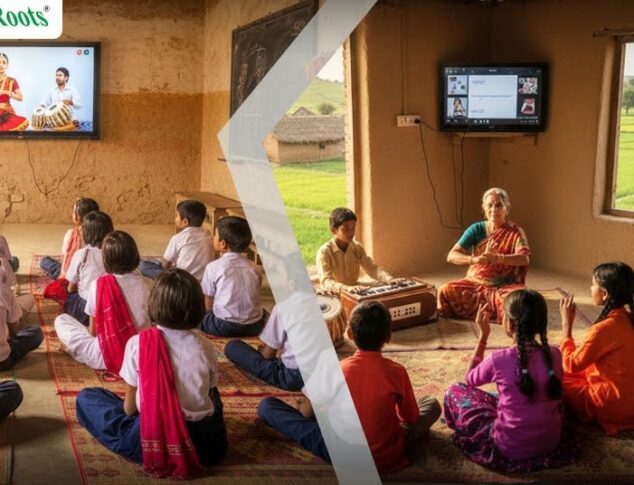
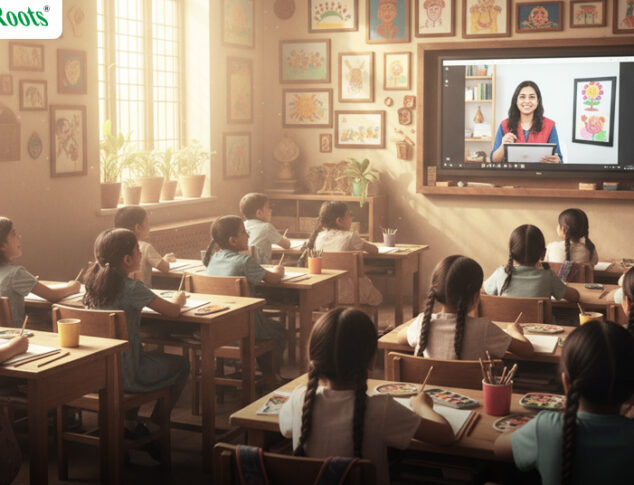
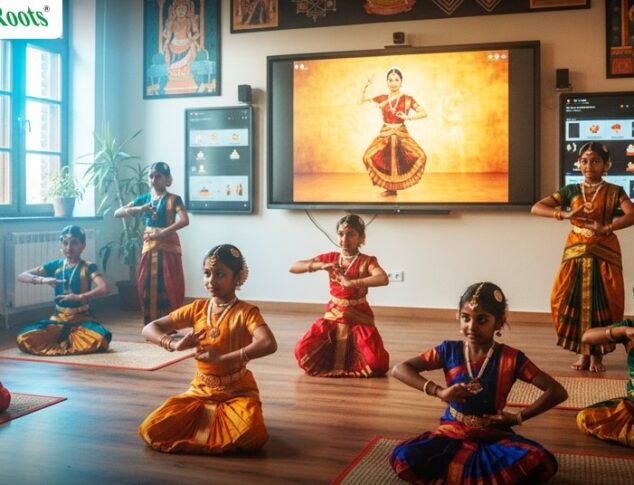
Digital tools can dramatically expand reach where physical access is limited. A digital learning art program can connect students in remote classrooms with master artistes, curated content, and interactive lessons. When teachers receive orientation and ongoing support, digital platforms become enablers of consistent arts education rather than one-off interventions.
This blended approach local facilitation plus digital access also supports continuity during disruptions. Well-designed digital learning programs make it possible to sustain learning rhythms, showcase student work, and involve families in cultural activities. For organisations that are ngo considering digital learning, investing in training and content quality is crucial. This is to avoid tech-first solutions only that don’t translate into classroom practice.
NGOs as Enablers of Cultural Continuity
Civil society organisations play a vital role in reaching geographies that mainstream systems struggle to serve. A cultural education ngo in india often brings together educators, artistes, and community partners to design programmes that are locally relevant and pedagogically sound. As part of the ecosystem of cultural ngos in india, such organisations help schools integrate arts into everyday learning, moving culture from the margins to the core.
Similarly, an ngo for art and culture can support teacher capacity, curriculum integration, and exposure to diverse art forms. When these efforts connect with cultural exchange programs and international cultural exchange services, students gain global perspectives while remaining rooted in their local traditions.
Funding and Community Participation
Sustained impact can only be achieved when funding is predictable and the community has a sense of ownership. Funding for arts and culture plays a major role in supporting the training of personnel, creation of content, and the persistence of programmes after the pilot stage. Opening up of partnerships with ngo foundation in india initiatives and coordinated education funding streams can achieve scaling of the effective measures.
Community involvement matters equally. It is often the case that families start to appreciate the arts education benefits in enhancing the confidence and creating opportunities when the engagement level rises. Giving of a meaningful kind, whether participating in donate for education campaigns or donations for students, can make it possible to get access to materials, devices, and workshops that normally would not be affordable.
What Success Looks Like
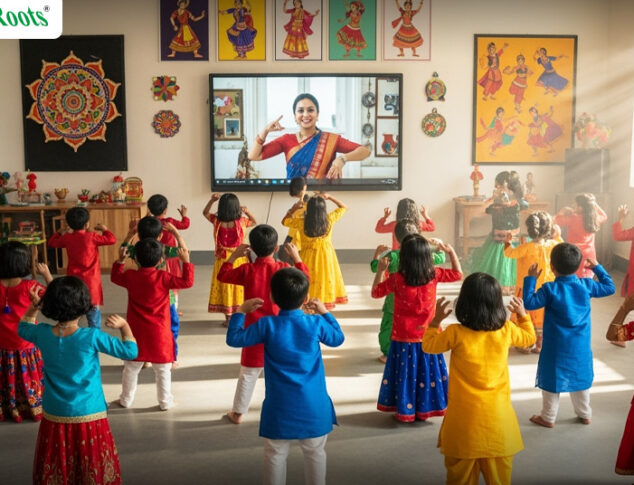
Success in remote contexts looks like classrooms where children confidently perform, paint, and tell stories rooted in their heritage. It looks like teachers who can guide arts learning with support from specialists. It looks like pathways from school-based cultural learning to community festivals, creative livelihoods, and cultural tourism. Over time, it looks like young people who carry pride in their identity into higher education and work.
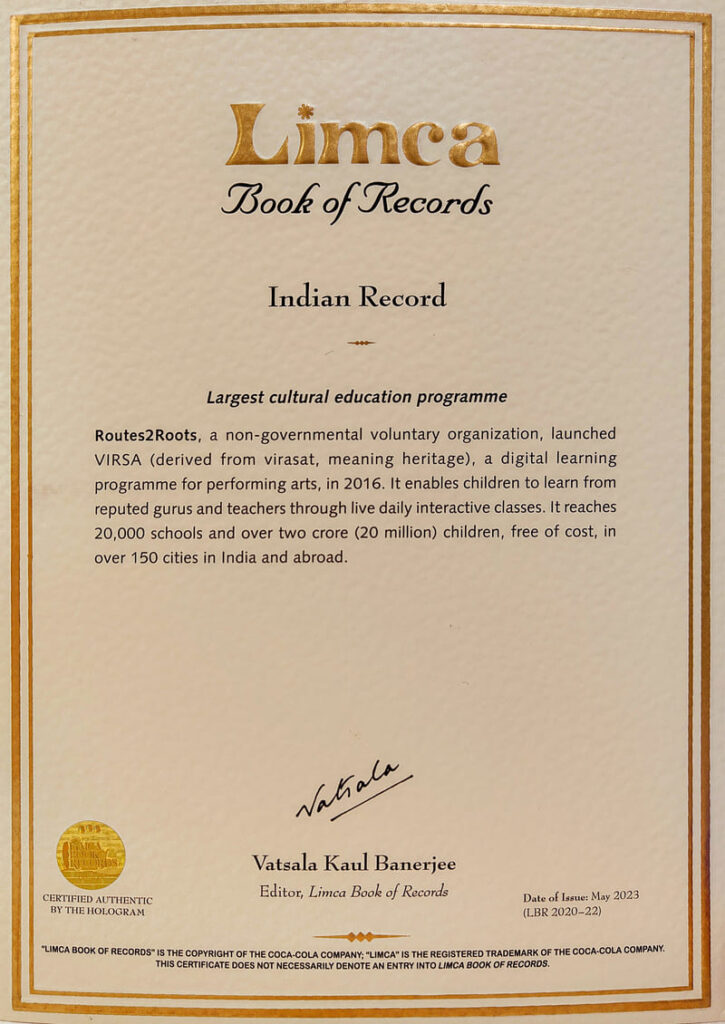
Routes 2 Roots demonstrate how thoughtful programme design can blend digital access with grounded pedagogy to reach underserved geographies. As a non-profit arts education organization within the wider network of ngo for education in India, such initiatives illustrate what’s possible when culture is treated as essential, not optional.
The Way Forward
India’s future is predicated on the development of learners who are not only culturally grounded but also skilled and self, assured. Extending cultural education programs to remote areas is a wise and necessary social cohesion, creative economies, and education quality investment. The way forward is through continuous financing, teacher empowerment, digital inclusion, and partnerships that understand and are sensitive to local situations.