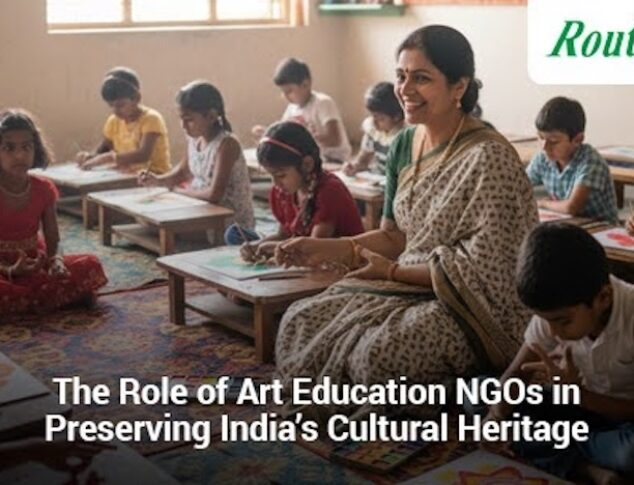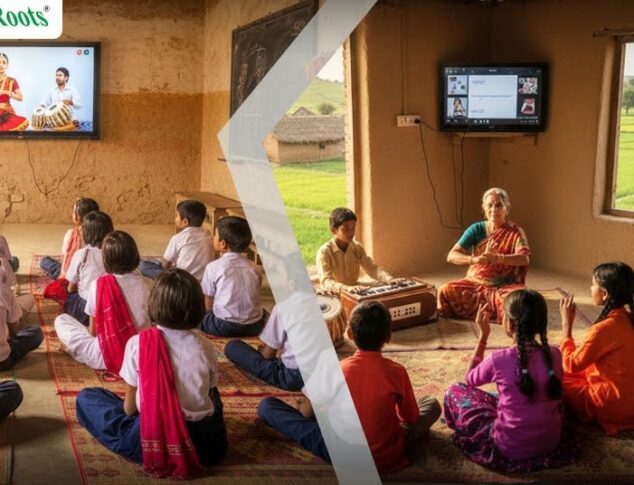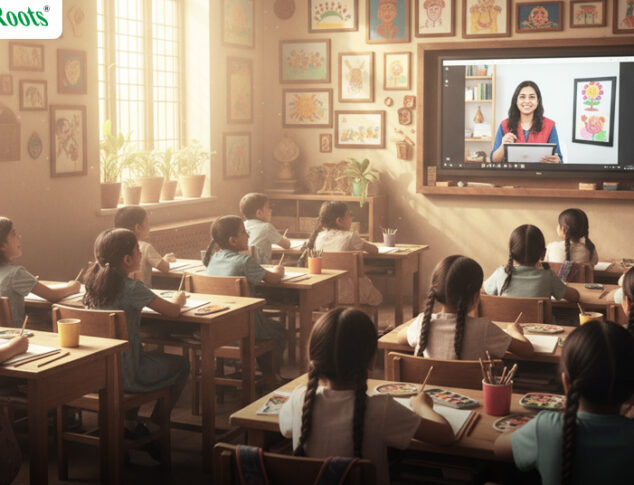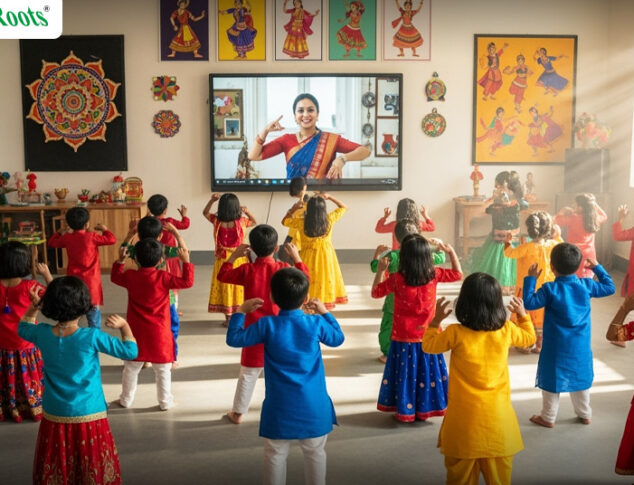





Most of us perceive education as a collection of facts and figures that students learn from books and get tested on in exams. But the reality of acquiring knowledge is far from that. In fact, school education should incorporate the nurturing of your child’s thoughts, emotions and imagination if you want them to become a self, confident, creative person, with emotional stability. Art education in India is one such opportunity. When schools make art practices like music dance theatre, and painting a part of learning, they are helping in the overall development of a child.
Understanding Holistic Child Development
Holistic development refers to the growth of a child across multiple dimensions intellectual, emotional, social, and physical. While traditional classroom learning strengthens cognitive skills, creative expression through art helps develop empathy, confidence, and communication.
When students engage in artistic activities, they learn to explore ideas, express emotions, and collaborate with others. These experiences help them develop critical life skills that cannot always be taught through conventional academic methods. As a result, the benefits of art education extend far beyond artistic ability—they influence how children think, interact, and understand the world around them.
The Role of Arts in Schools
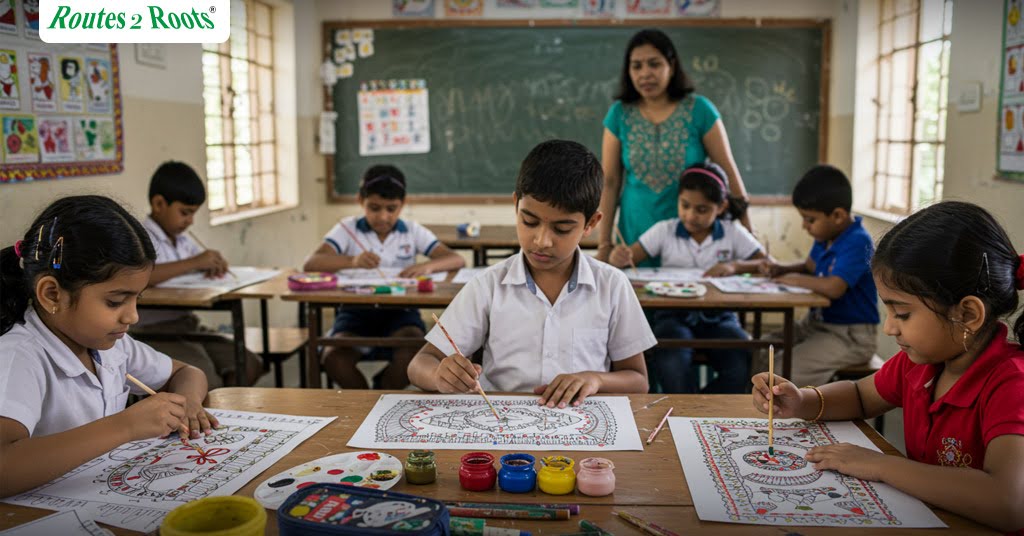
Introducing arts in schools can open new horizons for learners as it helps cultivate creativity and. Art lessons provoke students to take risks, and the mistakes they make provide them with the opportunity to learn through experience. It is these failures and subsequent learnings that build resilience and self, belief. This is what allows the kids to face challenges with willingness and a broadened imagination.
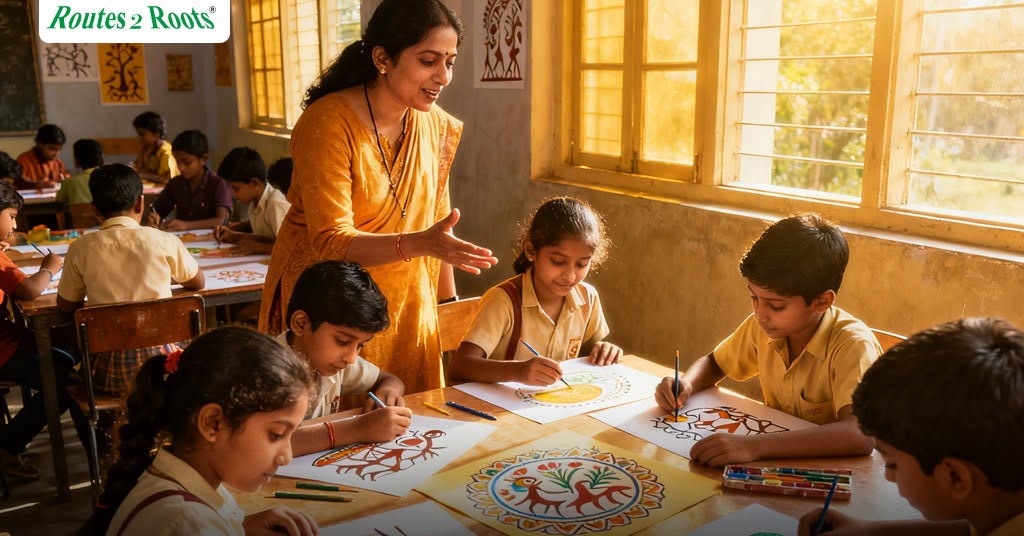
Studies across education systems have shown that students who regularly participate in arts programs often demonstrate improved concentration, stronger memory retention, and better academic performance. Music can enhance pattern recognition and listening skills, while dance and theatre improve body awareness and communication. Visual arts, meanwhile, encourage observation and creative problem-solving.
Debate and drama often hone ones ability to express oneself and to communicate nonverbally through the body. As for arts that are visually oriented, they call for the practicing of sharp observation and the thinking outside the box to solve the problem creatively. Above all, arts education paves the way for a diverse student population to interact harmoniously in the same space and communicate their thoughts freely through art. Of course, this can only be done with the help of the teachers and instructors who can assist students to channel their feelings and thoughts into art materials and techniques.
The expression through art not only helps in building a sense of self but also develops in students a feeling that they are pivotal and essential parts in the whole environment. Therefore, it is through artistic communication that these students can largely move very close to learning and, in fact, they can get effectively caught up in it.
Cultural Awareness and Identity
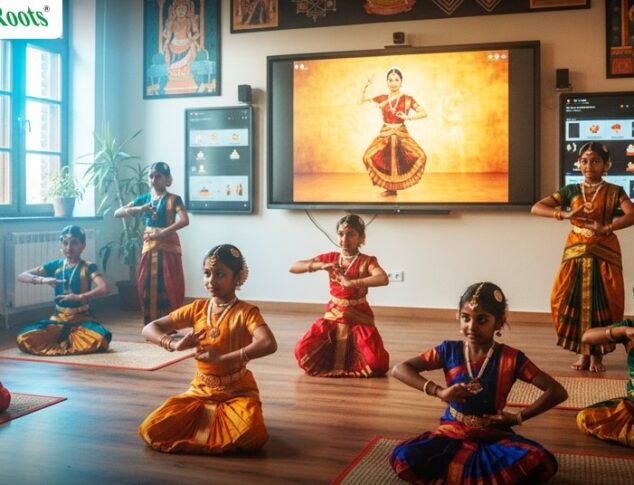
A further major contribution of art education in India is in the area of preserving and celebrating cultural heritage. Art traditions in India, be it a classical dance form or a regional craft, are a reflection of the history and philosophy of the country through the ages. Bringing students face to face with these traditions, on the other hand, is one way of making them realize how rich their cultural heritage is.
Through the knowledge of art forms native to their own communities, children get an opportunity to engage the deepest levels of their identity and experience a very powerful sense of belonging. Besides this, cultural education by acquainting the students with the traditions of different parts of the country also enables them to develop a liking for diversity. In the end, art through such experiences, serves as a link connecting generations and communities.
Emotional Intelligence and Well-Being
Art education also plays an important role in supporting children’s emotional well-being. Creative activities allow students to express feelings that may be difficult to communicate verbally. Whether through painting, music, or movement, art provides a healthy outlet for emotions.
This process helps children develop emotional intelligence—the ability to recognize and manage their own emotions while understanding those of others. As students become more aware of their feelings and perspectives, they build empathy and stronger interpersonal relationships.
The benefits of art education therefore extend into mental health and self-confidence, helping young learners develop a balanced and positive outlook.
The Contribution of Organisations like Routes 2 Roots
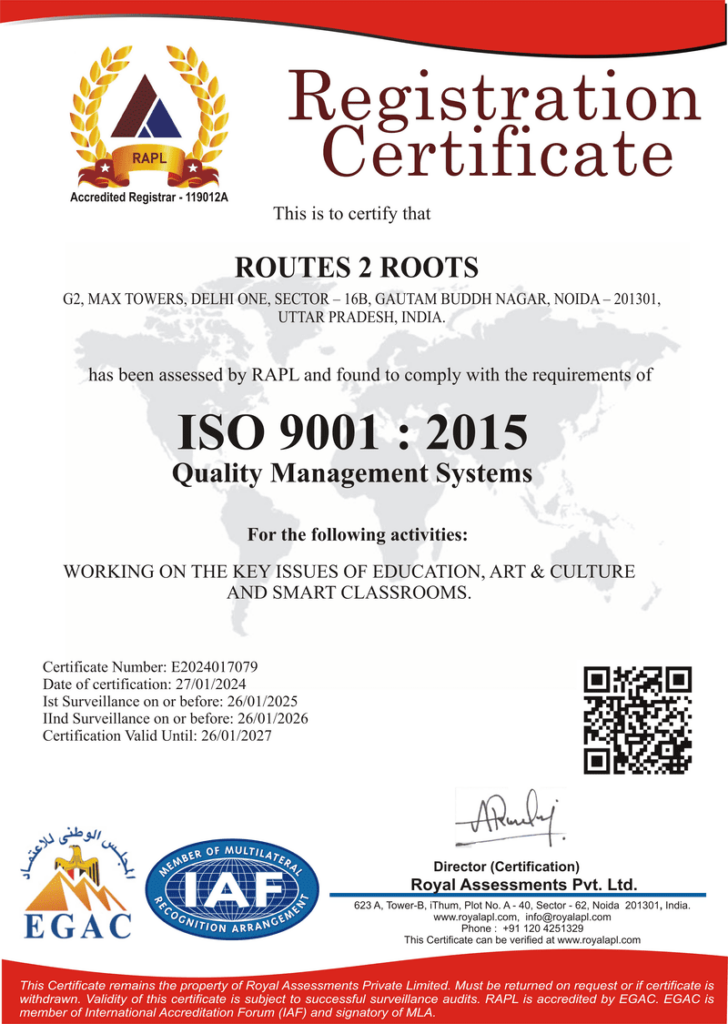
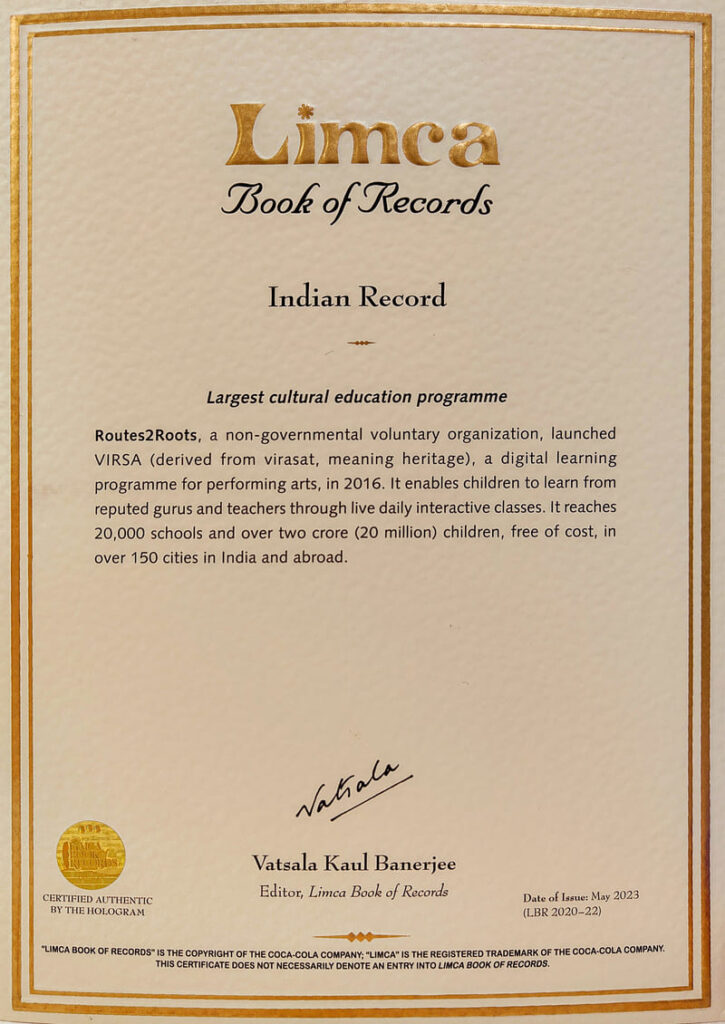
Across India, organisations are working to ensure that arts education reaches more schools and communities. One such initiative is Routes 2 Roots, which promotes cultural education among young learners by integrating music, dance, visual arts, and storytelling into school programs.
By introducing structured cultural learning opportunities, Routes 2 Roots helps students experience the arts as part of their everyday education. These programs not only encourage creativity but also strengthen cultural awareness and social connection among children.
Through workshops, digital learning initiatives, and collaborations with educators and artists, such initiatives demonstrate how art can become a meaningful component of modern education.
Looking Ahead
As India continues to evolve in the 21st century, education systems must adapt to prepare students for a complex and creative world. Academic knowledge remains essential, but it must be complemented by emotional intelligence, cultural awareness, and innovative thinking.
Integrating arts in schools offers a powerful way to achieve this balance. By recognising the importance of creativity in learning, educators and communities can ensure that students grow into well-rounded individuals capable of contributing meaningfully to society.
Ultimately, the future of education in India lies not only in teaching children what to think, but also in inspiring them how to imagine, create, and express themselves. Art education makes that vision possible.