




Young people are an important part of a country’s economic and social development. With the right skills, knowledge, and opportunities, they can contribute to their communities, build sustainable careers, and become financially independent. However, limited access to vocational training, practical experience, and employment opportunities continues to create challenges for many young people.
Here is where a livelihood skill development training programme can help. Through providing relevant and valuable skills to young people, such programmes enable them to plan and manage a career, find employment and become economically secure.
Skill development is also important because it improves independence, self-confidence, and the ability to make the right career choices beyond helping young people find work.
Bridging the Gap Between Education and Employment
School education teaches theory and information, but there are some skills that can only be learned in the workplace, which many young people are not exposed to through their time at school.
Programme Based Skill Development Initiatives for Livelihoods bridge this gap by providing participants with a window into the world of on-the-job learning. These skills range from technical to digital to communication, customer service, financial literacy and job-specific.
These programmes equip young people to have the skills that employers need.
Creating Opportunities for Financial Independence
Free from economic constraints empowering youth includes ensuring they are not constrained by the need to earn a living. Financial independence is a key thing in the energy and empowerment of young people.
The training program can provide skills and knowledge to individuals that will enable them to explore various opportunities for income generation for their livelihood, and assist them in finding ways to use their skills through employment, self-employment, or small enterprise.
This is essential for those from working class backgrounds as access to appropriate training will allow them to enter into new opportunities.
Encouraging Entrepreneurship and Self-Employment
Not every young person wants to follow a conventional employment path. Some may prefer to establish their own businesses, offer independent services, or develop small entrepreneurial ventures.
Skill development programmes can introduce young people to the practical aspects of entrepreneurship, including business planning, communication, financial management, and customer relations.
With the right guidance, participants can learn how to turn their abilities and ideas into potential livelihood opportunities. Such initiatives can also encourage innovation and support local economic activity.
Building Confidence and Workplace Readiness
It’s not only technical skills that count, personal development is also very important.
Work can be an opportunity for participants to develop new skills and to support the development of skills that they already have. For example communication working in a team, problem solving, time management, and making decisions.
Engaging in practical tasks, group work and being introduced to situations faced in the workplace may assist youth in becoming more at ease with meeting demands and transition into a workplace setting.
Making Skill Development More Inclusive
Access to employment and education and training is not the same for everyone. A young person living in a rural area, from a deprived background, or a marginalised group may have more difficulty accessing good training.
Non-profit organisations and community programmes are well placed to enable solutions to these issues by providing learning opportunities accessible to all and signposting people to the support they need.
Inclusive training programmes will also bring new opportunities for youth in sectors like technology retail health and social care support, hospitality, manufacturing, and other service sectors.
The aim is to make sure that the possibility for learning and development are not being limited by an individual’s financial and social status.
Supporting Long-Term Economic and Social Development
If a young person finds employment and gains a skill, they will also be able to contribute to their family, community, and economy and these benefits are not limited to a single person.
A talented labor force can sustain productivity, foster innovation, and contribute to the evolving demands of various sectors.
So, if you want to develop people for that first job, take a more holistic approach: invest in livelihood training. If you want to develop people for long term development, income, and enterprise growth, take a holistic approach.
How Routes 2 Roots Is Supporting Youth Skill Development
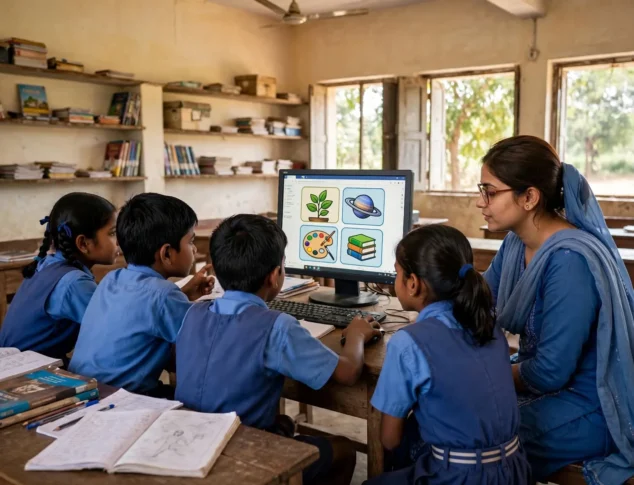
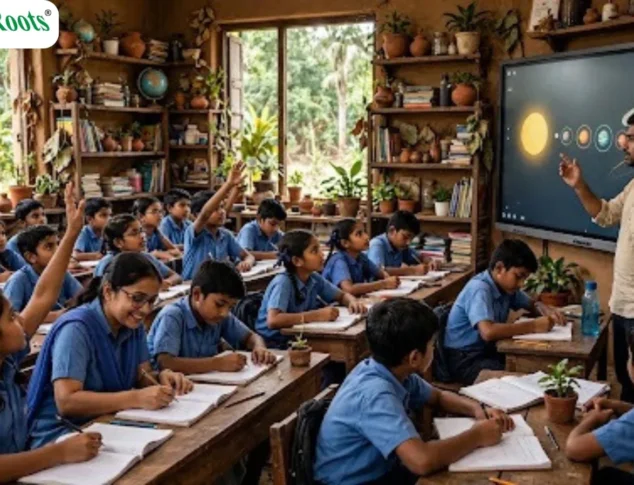
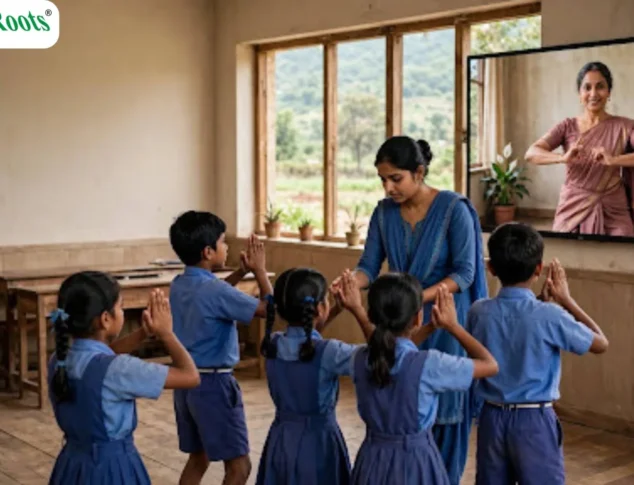
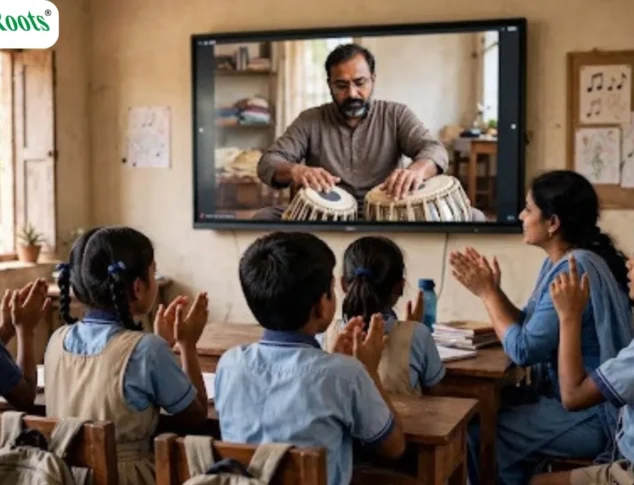
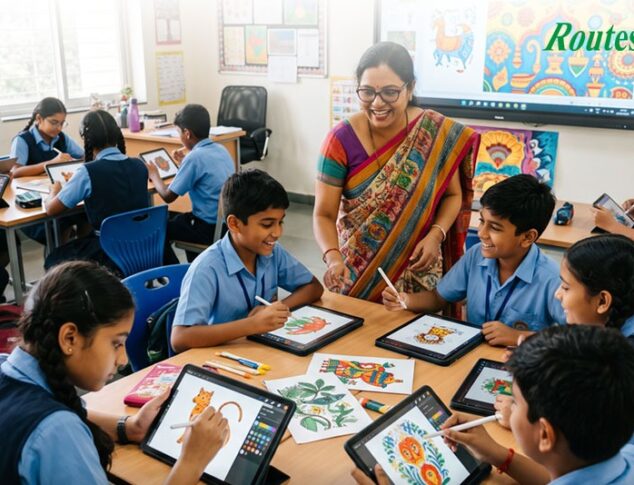
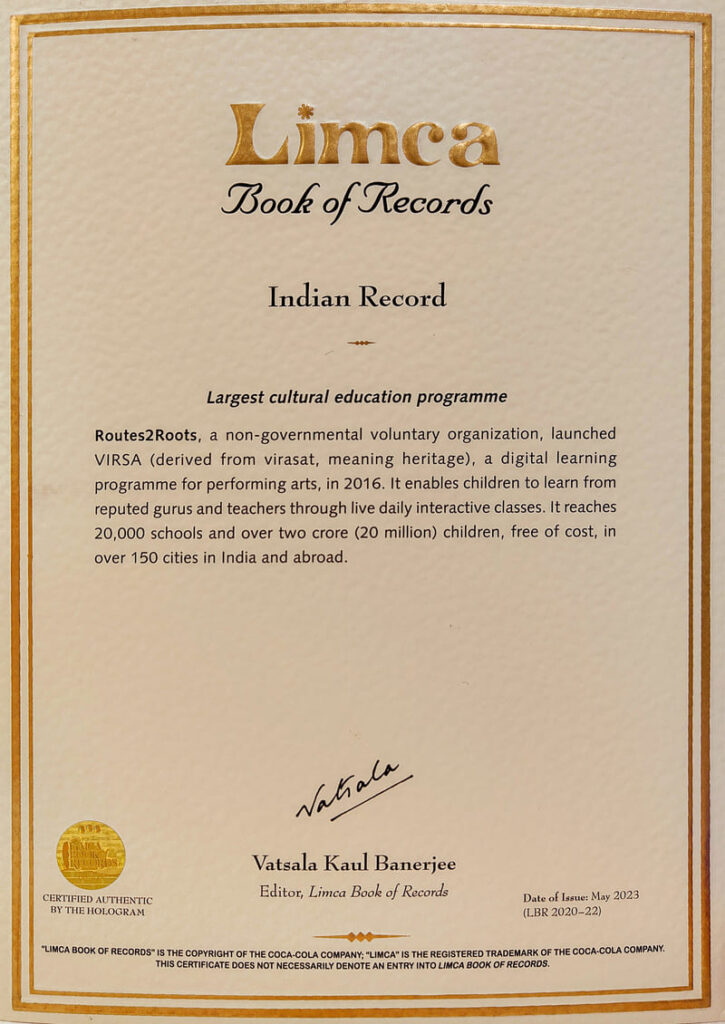
Routes 2 Roots is not just taking arts and cultural learning to the students but going a step further to impart relevant knowledge and skillsets to them. It is doing so through various workshops at schools covering 21st-century skills leadership communication career technology-enabled learning, skill development and more.
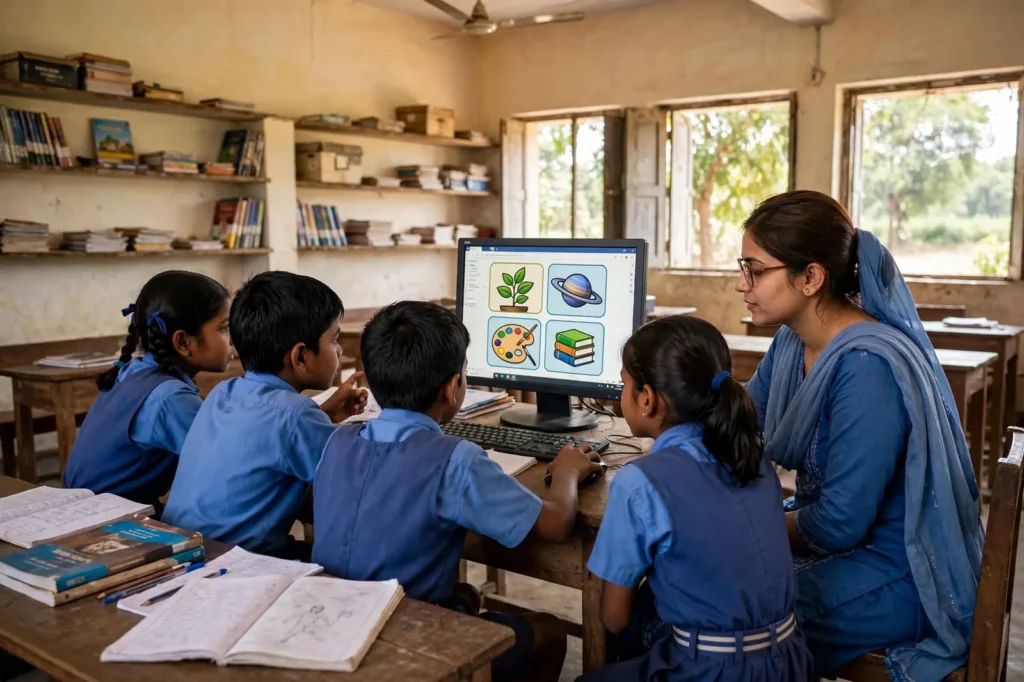
From the comfort of their computer screens, students of Routes 2 Roots engage in these sessions to make themselves ready for possibilities of the future, try out their knowledge and harness the levels of confidence they can gain.
Conclusion
Livelihood skill development plays an important role in helping young people move towards independence and a more secure future. By providing practical training, employment-oriented knowledge, and opportunities for personal growth, these programmes help individuals recognise their potential and make informed decisions about their careers.
A well-structured livelihood skill development training program can do more than teach a young person a particular skill. It can give them the confidence to pursue opportunities, the ability to earn a living, and the foundation to build a better future.
Ultimately, empowering young people through skill development is an investment in stronger individuals, more resilient communities, and a more capable workforce.
Frequently Asked Questions
1. What is a livelihood skill development training program?
A livelihood skill development training program provides individuals with practical, vocational, and professional skills that can help them pursue employment, self-employment, or entrepreneurial opportunities.
2. How do skill development programmes help empower young people?
These programmes help young people become more employable, financially independent, and confident. They also develop communication, problem-solving, and workplace readiness skills that support their professional growth.
3. Why is livelihood skill development important for underserved communities?
It creates access to practical training and income-generating opportunities for individuals who may face barriers to formal education or employment. This can support financial independence, improve living conditions, and encourage community development.