




India’s cultural heritage is a vibrant mosaic of traditions, art forms, languages, and customs that have been developing for thousands of years. On the one hand, classical music and dance; on the other, tribal art and folk storytelling. These encompass a wide range of cultural expressions. These are the distinctiveness and historical development of various communities in different parts of the country.
On the other hand, speedy modernization, urban migration, and alteration of lifestyles have made it difficult to preserve some of these cultural expressions. As a result, cultural NGOs in India are most actively involved in assisting the continuation of these traditions.
The Importance of Preserving Indian Cultural Heritage
Cultural heritage isn’t just about the physical aspects like monuments and artifacts. It also encompasses living traditions that have been orally handed down. Music dance crafts, and storytelling are all examples of what experts refer to as “intangible cultural heritage”. These are ways of transmission of knowledge, values, and the sense of belonging of a community.
Minding the preservation of Indian heritage is essential not only because it links the younger generation to their origins. It is also because it nurtures a willingness to appreciate differences. Besides, cultural practices impact social unity, the growth of creative sectors, and attract tourists, thus giving them importance culturally and economically as well. The disappearance of these practices will deprive the communities of not only their artistic expressions but also a huge part of their shared history.
The Role of Cultural NGOs in India
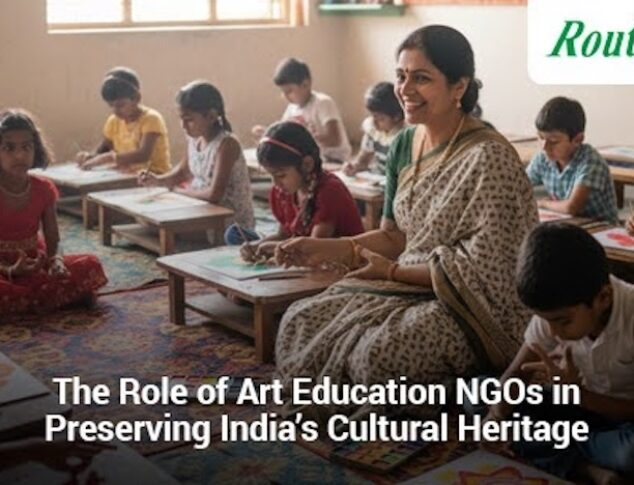
Across the country, cultural NGOs in India are working actively to safeguard traditional knowledge and artistic practices. These organizations create programs that introduce children and communities to India’s artistic legacy. By collaborating with schools and local artists, NGOs ensure that traditions are practiced and taught rather than simply archived.
Many art and culture NGOs organize workshops, festivals, and community events where artists can demonstrate and teach their craft. These initiatives not only support artists but also help younger audiences appreciate traditional art forms. By creating opportunities for cultural learning, NGOs help bridge the gap between heritage and modern education.

Education as a Tool for Cultural Heritage Preservation
Education remains a significant and powerful tool in the preservation of cultural heritage and legacy. Therefore, the integration of arts and culture in learning environments serves as a means through which students may grasp the cultural meaning and importance of artistic practices. Schools that make music dance theatre, and visual arts a regular part of their curriculum essentially provide students with cultural discovery as an ongoing and dynamic aspect of society.
Through diverse cultural programs, NGOs open the doors of schools and community spaces to the arts. They also make it feasible for the students to meet and be mentored by the master artists, get hands on in the traditional arts. Finally, learn the fascinating stories behind each art form. Along the way, NGOs are not merely focused on art education but are also playing a very important role in development of cultural literacy.
Empowering Artists and Communities
Another important contribution of art and culture NGOs is supporting artists who carry traditional knowledge. Many classical and folk artists rely on community recognition and patronage to sustain their work. NGOs provide platforms where artists can perform, teach, and share their expertise with wider audiences.
Workshops, training programs, and collaborative projects enable artists to pass their skills to younger generations. In many cases, these initiatives also create livelihood opportunities for artisans and performers. By empowering artists, NGOs help ensure that cultural traditions remain economically and socially viable.
The Contribution of Routes 2 Roots
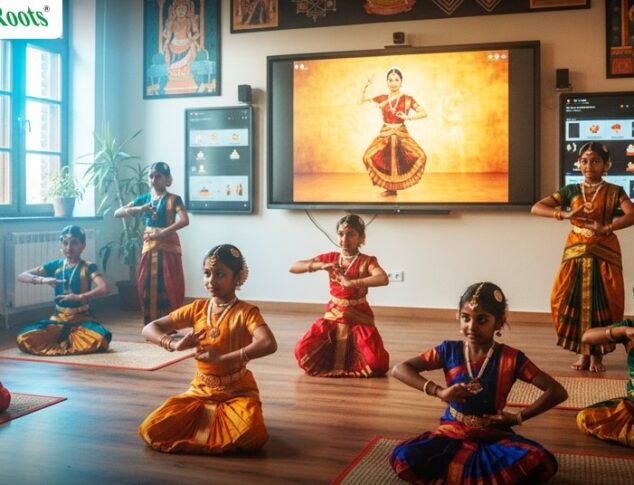
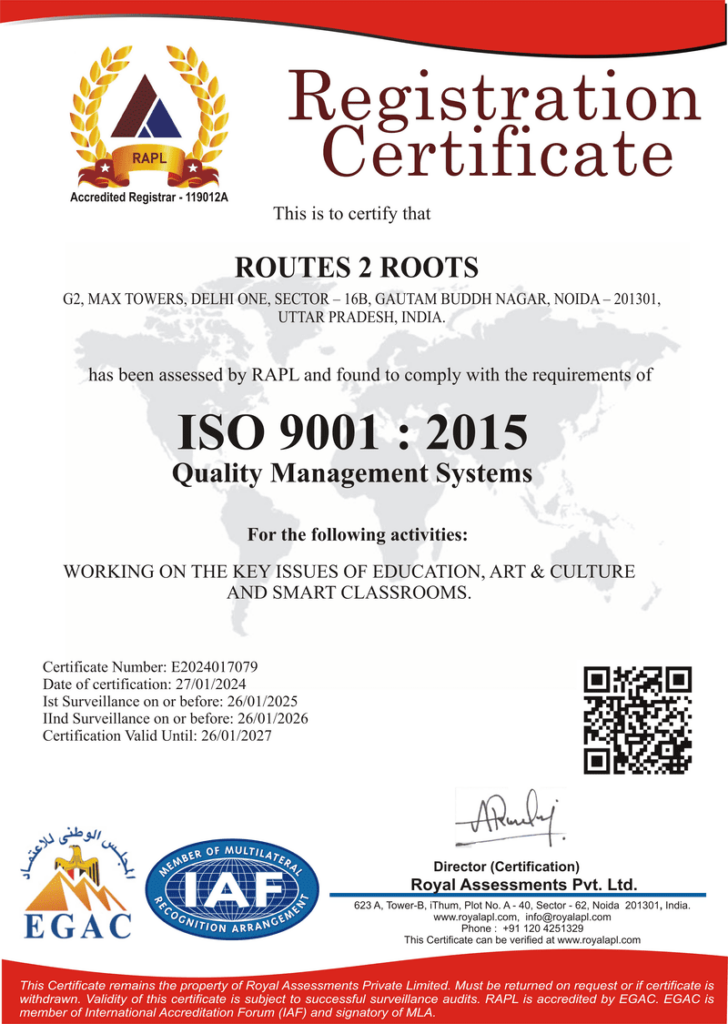
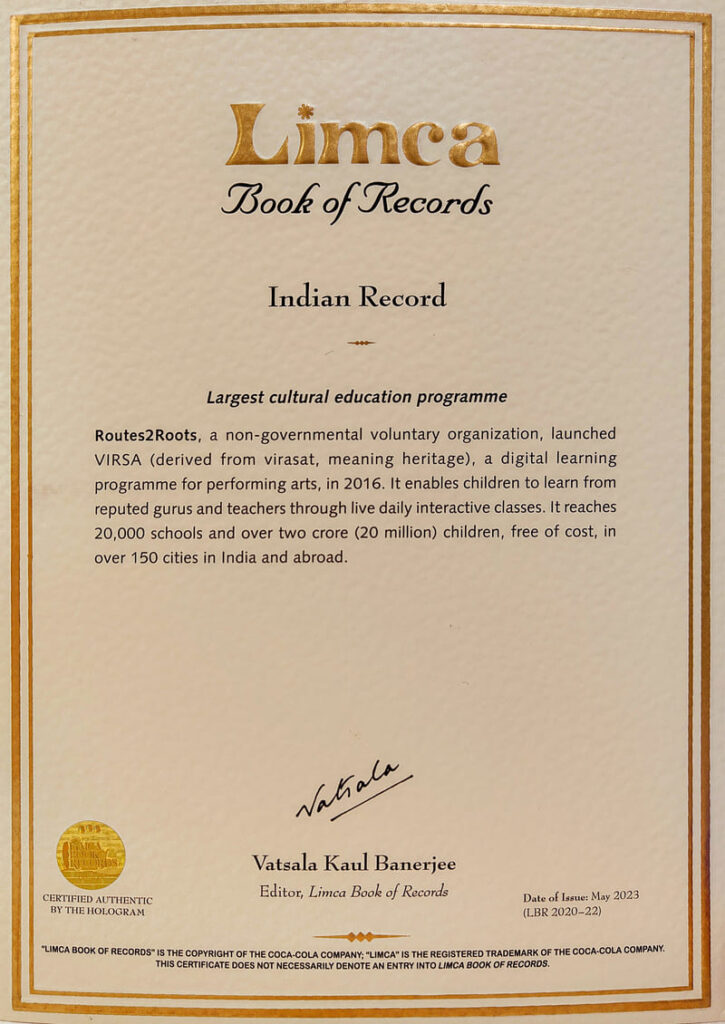
Among organizations working to promote cultural education is Routes 2 Roots. This is an initiative dedicated to connecting young learners with India’s rich artistic traditions. Through its programs, Routes 2 Roots introduces students to music, dance, visual arts, and cultural storytelling.
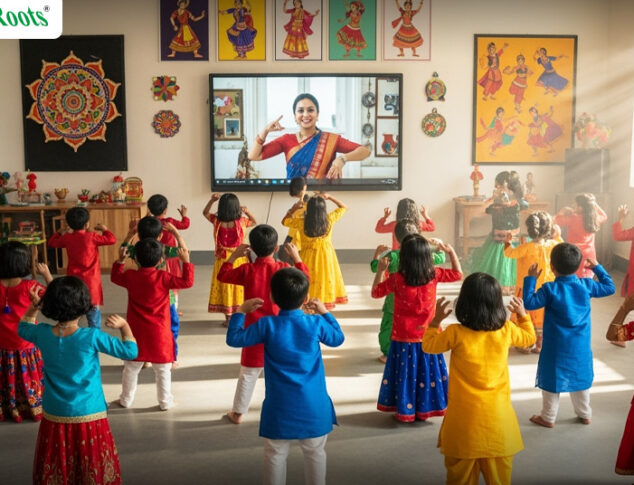
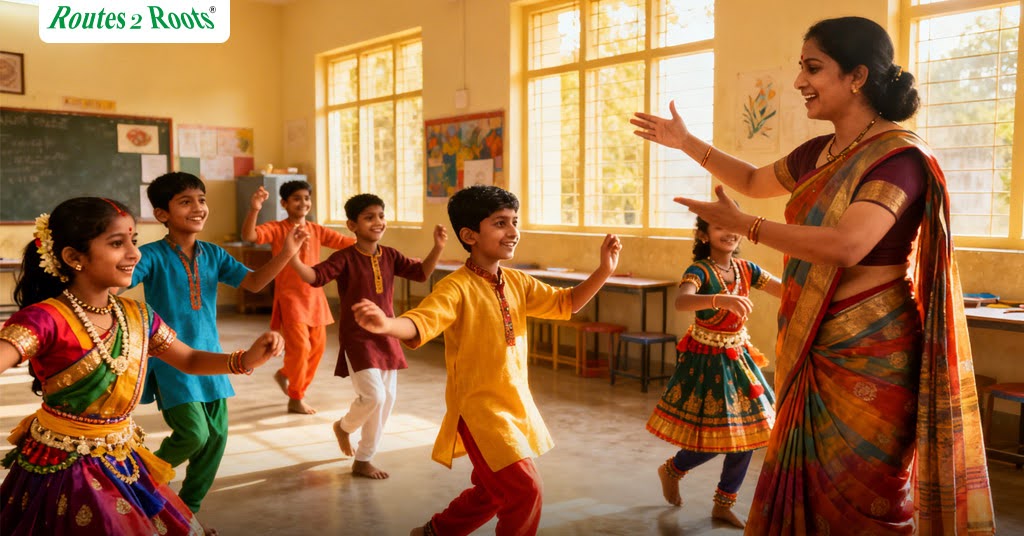
By collaborating with schools and educators, Routes 2 Roots creates opportunities for children to experience the arts as part of their everyday learning. These programs encourage creativity, cultural understanding, and confidence among students. These also reinforce the importance of preserving India’s artistic heritage.
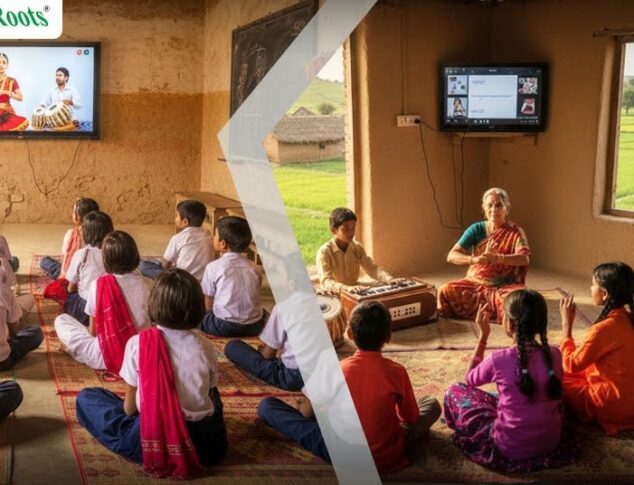
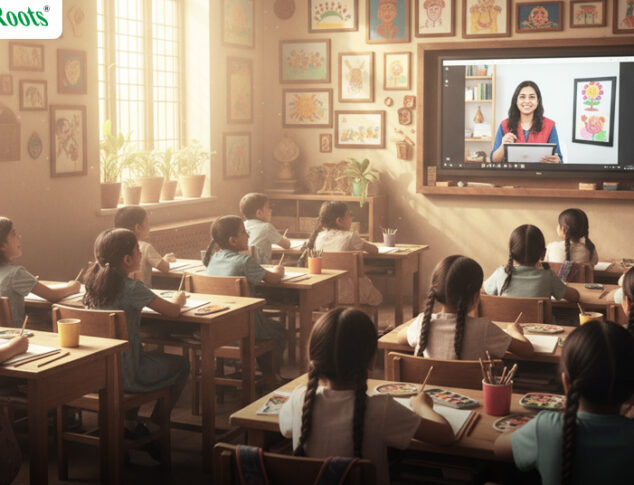
Through workshops, performances, and digital learning initiatives, the organization demonstrates how cultural education can remain relevant in modern classrooms while staying rooted in tradition.
Looking Ahead
The preservation of cultural heritage is not a task for any one individual or organization. It requires the joint efforts of governments educators local communities, and cultural institutions to promote the continuation and appreciation of traditional knowledge. NGOs have demonstrated that integrating cultural education into everyday life can lead to significant changes.
A number of people who appreciate the importance of saving Indian heritage is increasing. These groups are making sure that India’s cultural heritage continues to be lively and available to future generations. The work of cultural NGOs in India is also having even deeper impact. Through the support of artists, education of young children, and providing venues for cultural expression, it’s becoming possible.
In the end, the work of art and culture NGOs is a demonstration to us that heritage is not just something we only look back to with admiration; it is something that we must cherish, live, and move forward with.