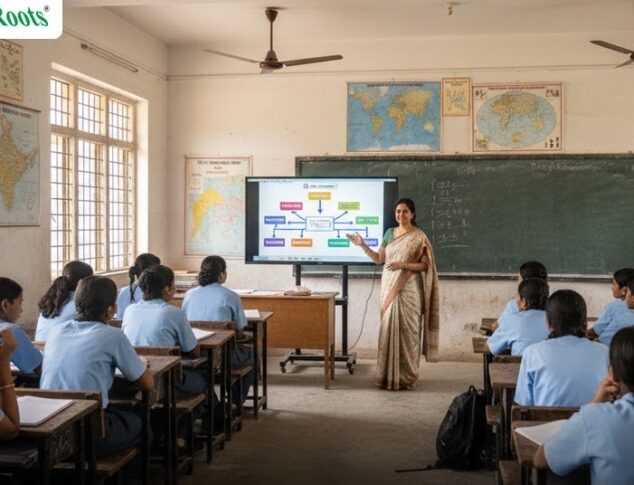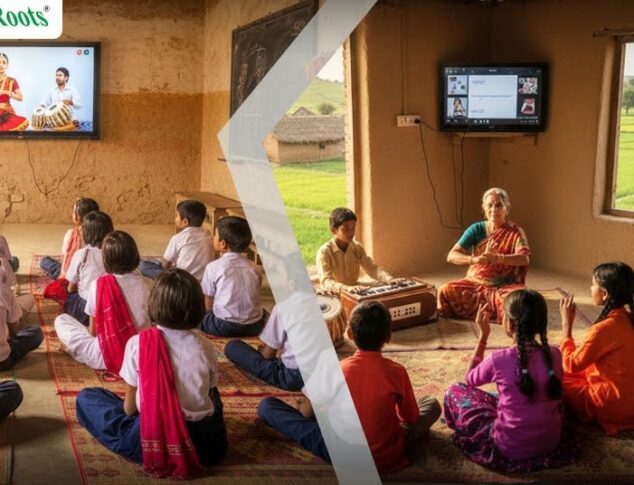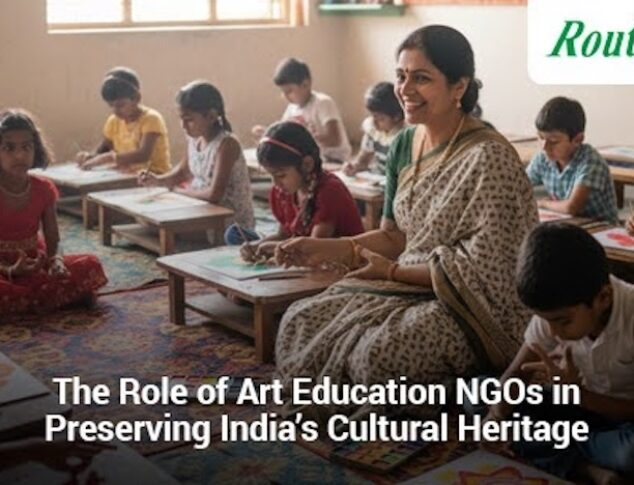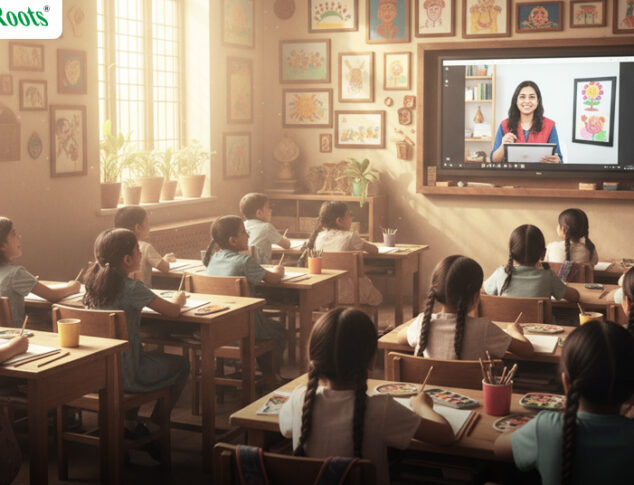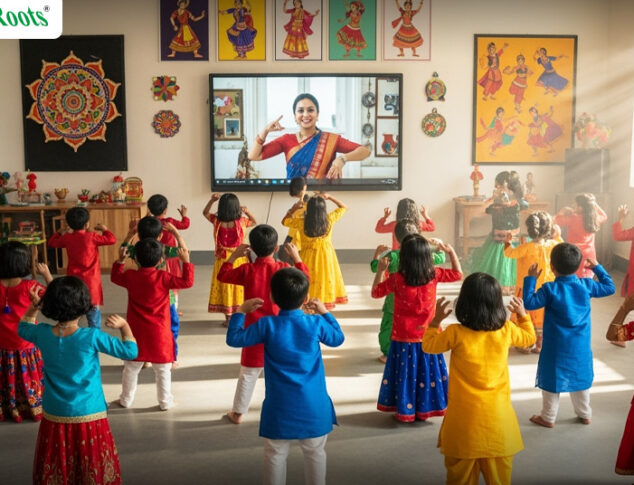





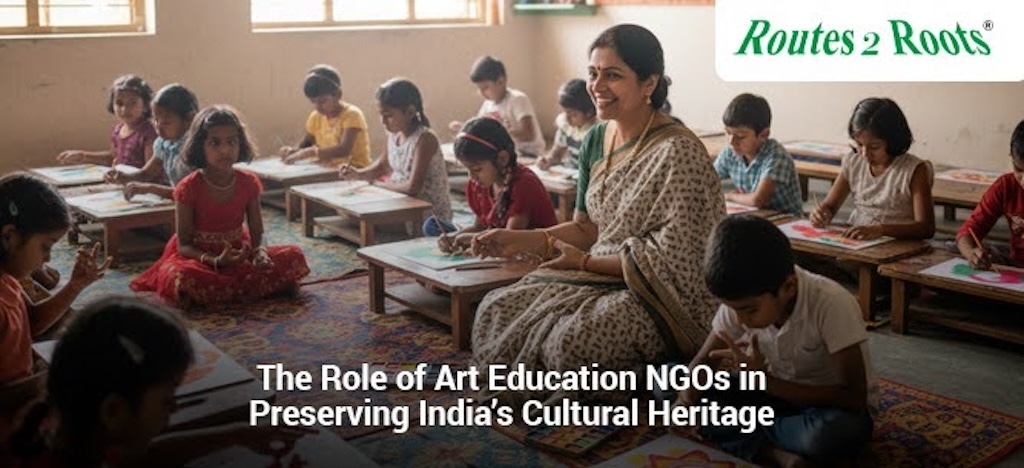
India’s cultural heritage stands out as one of the world’s most rich and diverse. The heritage of the nation’s art ranges from traditional dances and folk music to handicrafts and forms of storytelling. It showcases a multitude of memories, beliefs and experiences that have been passed down for centuries. However, as the country changes fast and modernises, many of these art forms are being pushed out of people’s daily lives. So, the role of an art education NGO India is very crucial it helps to bring together heritage and the younger generation.
Why Cultural Heritage Needs Active Preservation
Cultural heritage cannot be preserved solely by documenting it. It actually needs to be maintained through practice, teaching, and direct experience. Education systems worldwide are putting more and more emphasis on academic results. Therefore, art education is getting less and less attention. As a consequence, a wider gap between the young generation and the traditions that have been the backbone of the community is developing. There are no organised openings for learning dance, music, theatre or visual arts. Hence students are left with their heritage mostly from festivals or media not from actual practice.
This gap obviously points to the necessity of cultural education programs that reinstate the arts in the learning environments. Students get to know both classical and folk traditions at schools and community places, and then heritage is not a distant thing, but a very close one. Cultural knowledge becomes a part of your character if you carry it through the regular interaction.
How Art Education NGOs Enable Continuity

Across the country, cultural NGOs in india operate at the crossroads of education and heritage. These NGOs work with schools, communities, and master artistes to develop learning ecosystems that are conducive to the passing down of traditional knowledge. As a cultural education ngo in india, a focus of such programmes is not only on the acquisition of performance skills. It is also on the context the stories, philosophies, and histories behind each art form.
Most of the student, oriented programmes are tailored for those students who would otherwise not have access to arts educators trained. Heritage education learning is turning into a consistent and meaningful experience. It is happening through teacher support and development of curricula that are age-appropriate. Establishment of teacher-student mentorship networks is also a great catalyst. Gradually, this method creates a supply line of young performers and knowledgeable spectators both of which are indispensable for cultural preservation.
The Power of Digital Access and Exchange
Technology has expanded the reach of arts education beyond physical boundaries. A well-designed digital learning art program allows students in remote or resource-limited schools to learn from experts through curated content and guided sessions. These digital learning programs also support continuity when in-person training is disrupted, making arts education more resilient and inclusive.
Beyond access, exchange matters. Cultural exchange programs and international cultural exchange services introduce students to global perspectives while grounding them in local traditions. This balance helps young learners see their heritage as part of a wider cultural dialogue, strengthening pride and curiosity rather than isolation. When students understand how Indian art forms resonate globally, heritage becomes relevant to contemporary identity.
Funding, Partnerships, and Sustainability
Preserving heritage at scale requires sustained resources. Arts and culture funding supports training, content development, and the long-term presence of programmes in schools. Partnerships with ngo for education in India initiatives and aligned education funding channels enable continuity beyond pilot phases.
Community participation strengthens sustainability. When families, educators, and local leaders see the value of arts education in building confidence and creativity, programmes gain traction. Purposeful support whether through donate for education efforts or funding for students helps ensure that materials, mentorship, and platforms remain accessible to those who need them most.
Measuring Impact Beyond Performance
The success of a non-profit arts education organization is not measured only by stage performances. Impact shows up in improved student engagement, stronger communication skills, and increased cultural literacy. Students who learn through the arts often demonstrate greater empathy and collaboration capabilities that translate into academic and social outcomes. Over time, these learners become ambassadors of heritage within their communities, sustaining traditions organically.

The Way Forward
India’s cultural heritage will endure when it is woven into everyday learning. The role of NGOs is to make this possible at scale by embedding arts into education systems, empowering teachers, leveraging digital access, and fostering exchange. As awareness grows, the question is not whether heritage should be preserved, but how intentionally it is taught.
Investing in arts education today safeguards cultural memory for tomorrow. By supporting organisations dedicated to this mission, communities help ensure that India’s traditions remain lived, shared, and renewed generation after generation.